
All posts by mirriamcooper

Winning Back Your Ex-Wife: Emotional and Legal Steps to Reconciliation 

Wanting to rebuild a relationship with an ex-wife is a journey that requires emotional growth, patience, and careful consideration.

 Many separated couples do consider reconciliation. About 40% of married couples who separate try to reconnect.

Reconciliation after divorce means addressing the issues that caused the separation in the first place. 

This often requires personal reflection, demonstrating genuine change, and showing up as a better version of yourself.

When reaching out to an ex-wife, it’s important to acknowledge past mistakes, offer a sincere apology if needed, and communicate interest in reconnecting without placing pressure or expectations on her response.

Key Takeaways

  • Successful reconciliation requires addressing the root causes of the divorce through personal growth and demonstrating meaningful change.
  • Open, honest communication that acknowledges past mistakes builds trust and creates space for emotional reconnection.
  • Understanding the legal implications of reconciliation protects both parties and provides clarity for moving forward together.

Understanding Post-Divorce Reconciliation

Reconciliation after divorce represents a complex journey that many couples consider despite having legally ended their marriages. 

This path involves both emotional healing and navigating legal considerations that weren’t present during the original relationship.

The Increasing Trend Of Couples Reconsidering Their Separations

Studies suggest that approximately 40% of married couples who separate attempt reconciliation. 

This significant percentage demonstrates that post-divorce reunions are more common than many people realize.

Many factors drive divorced couples to reconsider their separation. These include:

  • Personal growth and changes since the divorce
  • Lingering emotional attachment
  • Shared children and family connections
  • Resolution of previously insurmountable problems

Time apart often allows individuals to gain perspective on what went wrong. Former spouses may realize they’ve addressed the issues that led to their divorce, whether through therapy, personal development, or changed circumstances.

Real-life success stories of reconciled couples can provide inspiration and practical lessons. 

These reunited couples typically cite improved communication and mutual growth as key factors in their successful reconciliations.

Dual Aspects—Emotional And Legal—Of Rekindling A Relationship Post-Divorce

Reconciliation requires addressing both emotional and legal dimensions. Emotionally, former spouses must heal past wounds and rebuild trust through open communication. This often involves:

  • Acknowledging past mistakes and taking responsibility
  • Learning new communication skills
  • Rebuilding trust gradually through consistent actions
  • Possibly engaging in couples therapy

The legal aspect presents its own challenges. Once divorced, couples who wish to reunite must consider whether to remarry or establish a different relationship structure.

Addressing underlying issues requires significant effort and commitment from both parties. Without this mutual willingness, reconciliation attempts often fail.

Experts recommend taking reconciliation slowly. Dating again, careful communication about expectations, and sometimes formalized counseling can help former spouses determine if reuniting is truly the right decision for their future happiness.

Emotional Preparation For Reconciliation

Emotional Preparation For Reconciliation

Reconciling with an ex-wife requires deep emotional preparation and inner work before taking any practical steps. 

The journey toward reconnection begins with honest self-assessment and creates a foundation for healthy communication.

Self-Reflection And Personal Growth

The path to reconciliation starts with looking inward. A man seeking to reunite with his ex-wife must first understand what went wrong in the marriage. This requires honest self-reflection about his contributions to the relationship’s breakdown.

Personal growth is essential during this period. He should focus on addressing negative patterns and behaviors that damaged the relationship.

 This might include managing anger issues, improving communication skills, or working on emotional availability.

Successful reconciliations happen when both parties have grown individually. 

He should ask himself tough questions, such as, “What have I learned since the separation?” and “How have I changed in meaningful ways?”

Evidence of personal growth becomes the foundation for rebuilding trust. When an ex-wife sees genuine change—not just promises—she may be more receptive to reconnection.

If you’re ready to get started, call us now!

Open Communication With Your Ex-Wife

Approaching an ex-wife requires sensitivity and thoughtfulness. Initial contact should be respectful and without pressure or manipulation. 

The timing matters—rushing conversations before emotional healing has occurred can backfire.

When communication begins, honesty and vulnerability are crucial. He should express his feelings clearly while acknowledging her perspective and emotions. Active listening becomes as essential as speaking.

The ex-wife may need time to process her feelings about a possible reconciliation. Rushing her decision or applying pressure can damage fragile progress.

Some effective communication approaches include:

  • Using “I” statements instead of accusations
  • Acknowledging past mistakes without excuses
  • Respecting boundaries, she establishes
  • Allowing her space to express concerns

Counseling And Therapy

Professional guidance provides invaluable support during reconciliation attempts. Marriage counseling creates a safe space for both parties to address underlying issues that led to separation.

Individual therapy may help the ex-spouses process personal emotions and develop healthier relationship skills. 

A therapist can provide objective feedback about whether reconciliation seems viable based on the specific circumstances.

When selecting a therapist, look for professionals who specialize in:

  • Marital reconciliation
  • Conflict resolution
  • Communication skills
  • Trauma healing (if applicable)

Therapy helps identify unhealthy patterns that might sabotage reconciliation efforts. It also provides tools for managing difficult emotions that arise during the process. The commitment to therapy itself demonstrates seriousness about changing problematic dynamics.

Setting Realistic Expectations

Reconciliation requires patience and realistic timeframes. Rebuilding trust after separation takes months or years, not days or weeks. Each former spouse should prepare for a gradual process with both progress and setbacks.

Both parties must understand that reconciliation doesn’t mean returning to the old relationship. Instead, they’re creating something new with healthier boundaries and communication patterns. 

The success rate for reconciliations varies widely depending on the circumstances of separation.

Warning signs that expectations may be unrealistic include:

  • Expecting immediate forgiveness
  • Avoiding difficult conversations about the past
  • Rushing physical intimacy before emotional reconnection
  • Believing problems will disappear without addressing them

Remember that reconciliation requires mutual interest. If an ex-wife wants to reconcile, such as through increased communication or reminiscing about positive memories, these may indicate potential. 

She’s guarded, and you’re afraid of another rejection. Winning her back isn’t about grand gestures—it’s about trust, patience, and handling legal realities the right way. Cooper Trachtenberg Law Group, LLC can help—talk to us today.

Legal Considerations In Reconciliation

Reuniting with an ex-spouse involves important legal steps that must be carefully navigated. 

Understanding these legal aspects can protect both parties and create a solid foundation for a renewed relationship.

Remarriage Legality

Remarrying an ex-spouse is legally permitted in most jurisdictions. There is no waiting period precisely for remarrying a former spouse, though standard marriage requirements still apply. Couples will need to:

  • Obtain a new marriage license
  • Complete required documentation
  • Participate in any mandatory waiting periods that apply to all marriages in their state.

Some states may require proof that the previous divorce was finalized. Both parties must be legally single at the time of remarriage, with no marriages to other people in between that haven’t been terminated.

The process is the same as marrying someone new but with the added emotional dimension of shared history.

Impact On Previous Divorce Settlements

When reconciling, couples must consider how remarriage affects their divorce agreement. Previous financial settlements may be impacted when couples remarry.

Key considerations include:

Alimony: Spousal support typically terminates upon remarriage in most jurisdictions, even when remarrying an ex-spouse.

Property division: Assets already divided remain separate unless explicitly combined again. New legal documentation is needed to rejoin previously divided assets.

Retirement accounts: QDROs (Qualified Domestic Relations Orders) that divide retirement funds remain in effect unless modified.

Reviewing the original divorce decree with an attorney is advisable to understand which obligations automatically terminate upon remarriage and which require formal court modification.

Child Custody And Support Implications

Reconciling parents should carefully address how reuniting affects existing custody arrangements. 

Child support and custody agreements established during divorce don’t automatically terminate when parents reconcile.

Parents must formally modify court orders to reflect their new situation. This typically requires:

  1. Filing a petition for modification with the family court
  2. Demonstrating the changed circumstances (reconciliation)
  3. Proposing a new parenting plan if needed

Even when parents live together again, child support obligations legally continue until formally modified by the court. This prevents confusion if the reconciliation doesn’t succeed.

Courts prioritize children’s stability, so demonstrating that reconciliation creates a beneficial environment for children will be important.

Prenuptial Agreements

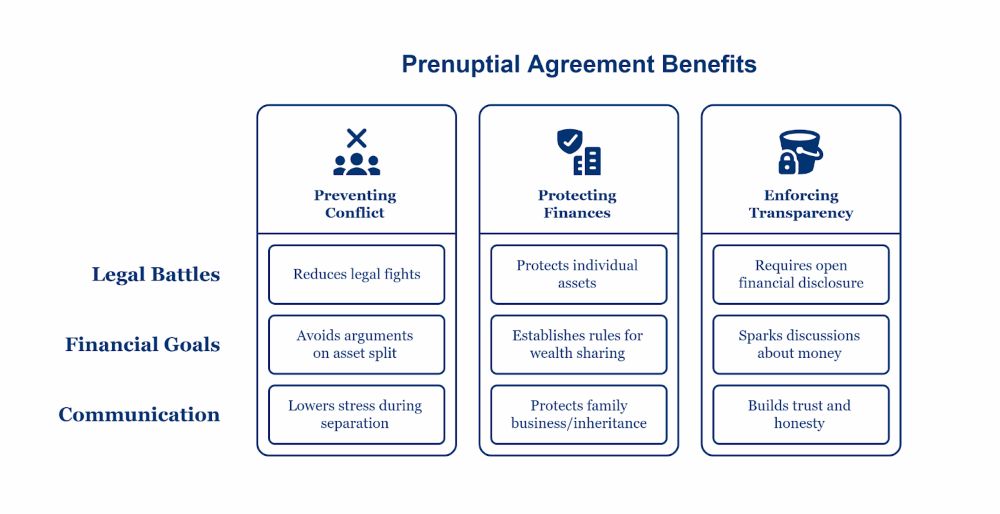
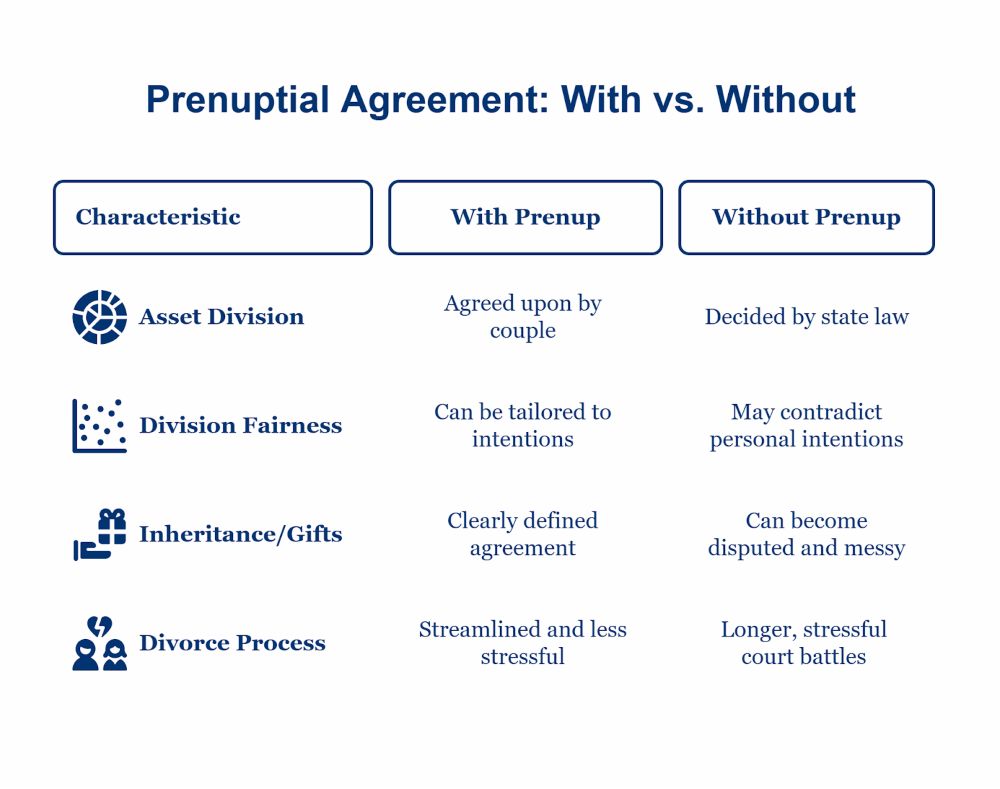
Creating a prenuptial agreement before remarriage can provide clarity and protection. This document addresses what happens if the reconciliation doesn’t succeed.

A prenuptial agreement for remarriage might include:

  • Protection of separate assets acquired during separation
  • Definition of shared property moving forward
  • Alimony considerations if the reunited marriage doesn’t last
  • Business interests and how they’ll be handled

Given the couple’s history, a prenup can address specific concerns that led to the previous divorce. 

Each party should negotiate the agreement with separate legal representation to ensure fairness and enforceability.

Creating this document requires honest communication about finances and expectations. This can strengthen the foundation of the renewed relationship.

If you’re ready to get started, call us now!

Addressing Potential Challenges

Reconciling with an ex-wife involves navigating several obstacles beyond just rekindling a romance. 

These challenges require thoughtful preparation and realistic expectations to increase the chances of successful reconciliation.

External Opinions And Social Perceptions

Friends and family often develop strong opinions about your divorce. They may have taken sides or offered support during difficult times, making them skeptical about reconciliation.

Be direct about your decision when announcing your intention to reunite. Prepare for questions and criticism, but remember that this choice belongs to you and your ex-wife.

Social media can complicate matters. Consider keeping your reconciliation private initially until you’ve established a stronger foundation. This protects your relationship from unwanted opinions.

Children who are being co-parented may have complex feelings. They might fear another disappointment if things don’t work out.

Have honest, age-appropriate conversations with them about the changes. Reassure them of your commitment to their well-being regardless of the outcome.

Financial Considerations

Reconciliation often involves complex financial entanglements, especially if assets were divided during the divorce. Before fully reuniting, consider creating a new financial plan together.

Be transparent about any financial changes that occurred during the separation. This includes:

  • New debts or assets acquired
  • Changes in income or employment
  • Financial obligations to other parties
  • Retirement or investment account modifications

If you’ve established separate households, determine how to combine or maintain them. This might involve selling property, breaking leases, or creating new living arrangements.

Legal challenges may arise when reconciling after divorce. Consult with a financial advisor or attorney about how remarriage affects alimony, child support, or other financial arrangements established during divorce proceedings.

Emotional Relapses

As you reconnect, old patterns and conflicts may resurface. If not properly addressed, the problems that caused your divorce might still exist.

It’s normal to experience emotional ups and downs during an attempted reconciliation. One day may feel perfect, while the next brings back painful memories. This doesn’t necessarily mean that conciliation is failing.

If implementing a no-contact period, use this time for personal growth rather than manipulation. No contact works best when both parties use the space for reflection and improvement.

Leverage your support system during difficult emotional moments. Find trusted friends who can provide perspective without judgment when old wounds reopen.

For co-parents, maintain consistent parenting practices even during emotional difficulties. Children benefit from stability, especially when adult relationships are in flux.

Conclusion

The decision to reconcile should never be rushed or forced. Don’t let anyone push you into reconciling, as this is a decision only the couple should make.

Professional counseling can provide valuable guidance. Many success stories feature couples who sought therapy to work through lingering resentments and learn new communication skills.

When explaining the reconciliation to others, it’s important to be direct and upfront. This is a significant decision that deserves clear communication.

If there were serious breaches of trust, a genuine apology and acknowledgment of the hurt caused is necessary. The most successful reconciliations come from mutual effort, not one-sided attempts to win someone back.

Remember that whether reconciliation works or not, the personal growth achieved during the process is valuable.

Get the guidance you need for a second chance. Cooper Trachtenberg Law Group, LLC is ready to help—book your consultation now.

Contact Us Today For An Appointment

    I have read the

    Frequently Asked Questions 

     How can I win back my ex-wife after divorce?

    Winning back your ex-wife requires self-reflection, open communication, and genuine change. Start by addressing past issues, rebuilding trust, and showing personal growth. Express your commitment to making things work.

    What are the legal steps to remarry my ex-wife?

    Remarrying your ex-wife is legally straightforward, but you may need to update alimony, child custody, and property agreements from the original divorce settlement. Consulting a family law attorney can help ensure a smooth legal transition.

    How do I rebuild trust with my ex-wife?

    Trust takes time to restore. Be consistent, transparent, and accountable in your actions. Apologize sincerely, avoid past mistakes, and allow her to express her concerns without pressure.

    Does getting back with an ex-wife work?

    Yes, but it depends on both partners’ willingness to change. Studies show that 6% of divorced couples remarry each other, and those who resolve past conflicts have a better chance of lasting success.

    How long should I wait before trying to reconcile?

    Every situation is different, but waiting at least several months allows both partners to reflect on what went wrong. Rushing reconciliation without addressing past issues increases the risk of repeating mistakes.

    What are the biggest mistakes to avoid when trying to win back an ex-wife?

    Common mistakes include pressuring her, constantly bringing up past conflicts, failing to show real change, and not respecting her space. Focus on personal growth and let reconciliation happen naturally.

    5 Key Financial Considerations When Planning for Divorce in Illinois in 2025

    Planning for divorce in Illinois in 2025 involves important financial decisions. The process can be complex, but understanding key factors can help protect your future. 

    Dividing retirement accounts like IRAs requires careful planning to ensure fair distribution and avoid penalties.

    Illinois follows equitable distribution laws for property division. This means assets are split fairly, not always equally.

    It’s crucial to identify separate and marital property early on. Couples should also consider tax implications and update financial accounts.

    For parents, planning for their children’s financial future is vital. This includes creating new budgets and adjusting custody arrangements. 

    Developing effective communication strategies can help ensure smooth co-parenting.

    Key Takeaways

    • Proper division of retirement accounts and assets is crucial for financial stability post-divorce.
    • Understanding Illinois divorce laws helps in making informed decisions throughout the process.
    • Creating new budgets and co-parenting plans supports a smoother transition for families.

    1- Property Division In Illinois: Equitable Distribution Explained

    Illinois uses equitable distribution to divide property in divorces. This means a fair, but not always equal, division of assets. Courts consider many factors to decide what’s fair for each couple.

    Overview Of Illinois’ Equitable Distribution Approach

    Equitable distribution guides property division in Illinois divorces. Courts aim for fairness, not just a 50-50 split. They look at each spouse’s income, health, and future needs.

    Marital property includes assets gained during the marriage. This can be homes, cars, savings, and retirement accounts. Non-marital property, like inheritances, usually stays with the original owner.

    Judges consider many factors:

    • Marriage length
    • Each spouse’s economic situation
    • Contributions to the marriage
    • Child custody arrangements
    • Tax consequences of property division

    New Trends Or Legal Updates In 2025

    In 2025, Illinois courts are putting more weight on non-financial contributions to marriages. This includes stay-at-home parenting and household management.

    Digital assets are getting more attention. Courts now regularly divide cryptocurrencies, online businesses, and social media accounts with monetary value.

    There’s a growing trend to consider pets as more than property. Some judges now consider pet custody similar to child custody, focusing on the animal’s welfare.

    Remote work has changed how courts view home offices. They’re now more likely to be seen as marital property, even if mainly used by one spouse.

    2- Alimony And Spousal Support Updates For 2025

    Illinois courts will consider several factors when deciding spousal support in 2025. New guidelines aim to make support amounts more fair and predictable. Proper financial preparation is key for those facing divorce.

    Key Factors Considered By Illinois Courts

    When deciding spousal support in Illinois, courts consider many factors, including the length of the marriage. Longer marriages often result in more support.

    Each spouse’s income and future earning power also matter. Courts consider the standard of living during the marriage.

    A spouse’s age and health play a role. So does their ability to be self-supporting.

    The court checks if one spouse gave up career chances to support the family. They also look at how much each person owns.

    Tax effects of support payments are part of the picture. The court aims to be fair to both spouses.

    Changes To Illinois Guidelines For Spousal Support In 2025

    In 2025, Illinois will have new rules for spousal maintenance. These changes aim to make support more fair and clear. The new guidelines use a formula based on the couple’s income.

    For marriages under 20 years, support length ties to the marriage length. Longer marriages might mean permanent support.

    The formula now includes more income levels. This helps with higher-earning couples.

    Courts can still change the formula if needed. They look at special cases carefully.

    The new rules also make it easier to change support later if situations change.

    Tips For Preparing Financially

    Getting ready for divorce takes planning.

    First, gather all financial records, including bank statements, tax returns, and asset lists. Know what you own and owe.

    Make a budget for life after divorce. Think about new costs like rent or health insurance. Try to cut spending now to save money.

    Consider talking to a financial advisor. They can help plan for taxes and long-term money needs.

    If possible, set aside some cash for lawyer fees and other divorce costs. If needed, consider job training or education, which can help increase your earning power.

    Be careful with big money moves during divorce. Courts frown on hiding or wasting assets.

    3- Tax Implications Of Divorce In Illinois

    Divorce can have significant tax consequences in Illinois. Changes to filing status, property division, and support payments can all affect your tax situation. 

    Understanding these impacts is crucial to make informed decisions during the divorce process.

    Understanding How Divorce Impacts Taxes

    Filing status is a key factor in divorce-related taxes. Your status on December 31 determines how you file for that tax year. Individuals must file as single or head of household if divorced by year-end.

    Property division can trigger tax events. Selling a home may result in capital gains taxes. Transferring retirement accounts requires careful handling to avoid penalties.

    Alimony payments are no longer tax-deductible for the payer or taxable income for the recipient. This change affects divorces finalized after 2018.

    Child support has no tax impact. It’s neither deductible for the payer nor taxable for the recipient.

    Updates On Tax Policies For 2025

    Illinois follows federal tax laws for most policies. As of 2025, no major changes are expected in divorce-related tax rules.

    The state income tax rate remains at 4.95% for individuals. This rate applies to single filers and those married filing separately after divorce.

    Property tax laws continue to impact divorcing couples who own real estate. The divorce agreement should clearly outline the division of property tax obligations.

    Tax refunds from joint returns filed during marriage are considered marital property. They must be divided equitably in the divorce settlement.

    Are you facing divorce? Cooper Trachtenberg Law Group, LLC offers tailored support for spousal maintenance cases, ensuring fair resolutions and protecting your financial stability in Illinois.

    If you’re ready to get started, call us now!

    4- Planning For Your Children’s Financial Future

    Divorce can greatly impact a child’s financial well-being. Parents must carefully consider child support, additional expenses, and long-term financial planning to meet their children’s needs.

    Child Support Calculations In Illinois And Updates For 2025

    Illinois calculates child support using an income-shares model. This method considers both parents’ incomes and the amount of parenting time each has.

    For 2025, the state has updated its guidelines to reflect current living costs.

    Key factors in child support calculations:

    • Combined parental income
    • Number of children
    • Parenting time allocation

    The court may adjust support amounts based on the following:

    • Special needs of the child
    • Extraordinary medical expenses
    • Educational costs

    Parents must plan for various additional expenses in addition to basic child support. These costs can significantly impact a child’s well-being and future opportunities.

    Common additional expenses:

    • Health insurance and medical costs
    • Extracurricular activities
    • Private school tuition
    • College savings

    Co-parents should clearly outline how they’ll handle these expenses in their parenting plan. This helps prevent future conflicts and ensures that children’s needs are consistently met.

    Some parents choose to set up separate accounts for specific expenses. Others may agree to split costs based on their income percentages.

    Strategies For Creating A Financial Plan

    Creating a solid financial plan is crucial for securing a child’s future post-divorce. This plan should account for both short-term needs and long-term goals.

    Steps to develop a financial plan:

    1. Assess the current financial situation
    2. Set specific goals for children’s future
    3. Create a budget that includes child-related expenses
    4. Explore investment options for long-term savings

    Parents should consider setting up trust funds or 529 college savings plans. These tools help ensure funds are available for future educational expenses.

    It’s also important to review and update life insurance policies. This helps protect children financially if something happens to either parent. 

    Regular check-ins between co-parents can keep financial plans on track and address any changing needs.

    If you’re ready to get started, call us now!

    5- Protecting Your Financial Stability During Divorce

    Safeguarding your financial well-being is crucial when going through a divorce. Taking proactive steps can help you maintain stability and secure your future.

    Importance Of Building An Independent Financial Strategy

    Creating a separate financial plan is key to protecting your stability during divorce. Start by opening individual bank accounts and credit cards. This establishes financial independence and helps track personal expenses.

    Review all joint accounts and debts. Decide which to keep, close, or divide. Be cautious about shared credit cards or loans that could impact your credit score.

    Consider seeking advice from a financial planner. They can help assess your current situation and develop strategies for post-divorce financial health.

    Update beneficiaries on insurance policies, retirement accounts, and other financial documents. This ensures your assets are protected and distributed according to your wishes.

    Steps To Create A Budget And Secure Financial Future

    Developing a new budget is essential for financial stability. List all income sources and expenses. Include potential new costs like rent, utilities, or childcare.

    Track spending for a few months to identify areas for potential savings. Cut unnecessary expenses to build an emergency fund.

    Review and adjust insurance coverage. This may include health, life, and property insurance to ensure adequate protection.

    Consider long-term financial goals. Start planning for retirement, children’s education, or other future expenses.

    Maintain and protect your credit during this time. Pay bills on time and monitor your credit report regularly.

    Warning Against Common Financial Mistakes

    Avoid making hasty financial decisions during the emotional stress of divorce. Rushing to sell assets or make large purchases can lead to regrets later.

    Don’t ignore the tax implications of property division. Certain assets may come with hidden tax burdens that affect their true value.

    Be cautious about using retirement funds to cover divorce expenses. Early withdrawals often come with penalties and reduce future financial security.

    Don’t underestimate post-divorce living expenses. Many people struggle to maintain their previous lifestyle on a single income.

    Avoid neglecting estate planning. Update wills, trusts, and other essential documents to reflect your new circumstances and protect your interests.

    Plan your financial future with confidence. Cooper Trachtenberg Law Group, LLC specializes in child support strategies and divorce planning for Illinois families. Take the first step today!

    Contact Us Today For An Appointment

      I have read the

      Frequently Asked Questions

      How should one approach creating a divorce financial planning worksheet?

      A divorce financial planning worksheet helps track assets, debts, and expenses. Start by listing all income sources, monthly expenses, and financial accounts. Include the value of major assets like homes and vehicles.

      Next, detail all debts and liabilities. This gives a clear picture of the financial situation. Update the worksheet regularly as circumstances change during the divorce process.

      What are the legal considerations for financial separation without a formal divorce?

      Legal separation in Illinois allows couples to live apart while remaining married. It requires a court order and can address financial matters like property division and support payments.

      Couples must agree on how to handle joint accounts, debts, and living expenses during separation. It’s wise to consult a lawyer to understand the legal implications of separation versus divorce.

      What steps can a woman take to prepare financially for divorce?

      Women can take several steps to prepare financially for divorce. First, they should gather all financial documents, including tax returns, bank statements, and investment records. Second, they should open individual bank and credit card accounts.

      Review and update beneficiaries on insurance policies and retirement accounts. Consider seeking advice from a financial planner who specializes in divorce cases.

      How are retirement accounts like 401(k)s handled in Illinois divorce settlements?

      In Illinois, retirement accounts acquired during marriage are typically considered marital property. 401(k)s and other retirement accounts may be divided using a Qualified Domestic Relations Order (QDRO).

      A QDRO allows for the transfer of retirement funds without early withdrawal penalties. The division is not always 50/50 and depends on various factors the court considers.

      What assets are generally considered marital property in relation to separate bank accounts in Illinois?

      In Illinois, marital property includes most assets acquired during the marriage, regardless of whose name is on the account. Separate bank accounts opened during marriage are usually considered marital property.

      Exceptions may apply to inheritances or gifts specifically given to one spouse. The court aims for equitable distribution of marital assets, which doesn’t always mean equal.

      What does a spouse’s entitlement generally include in an Illinois divorce settlement?

      A spouse’s entitlement in an Illinois divorce settlement may include a share of marital property, alimony (spousal support), and child support, if applicable. The exact entitlement varies based on factors such as marriage length and each spouse’s financial situation.

      The court considers each spouse’s contributions to the marriage. This includes non-financial contributions like homemaking. Health insurance coverage and the division of debts are also part of the settlement considerations.

      Child Custody Concerns and Solutions for Illinois Divorces in 2025

      Did you know less than a quarter of total custody time (23.1 percent) is awarded to fathers?

      In Illinois, child custody laws are changing in 2025. These changes aim to help families find better solutions during divorce.

      The best interests of the child remain the top priority in Illinois custody decisions. Courts look at many factors to decide what’s best for kids. 

      These include the child’s wishes, each parent’s ability to care for the child, and how well parents can work together.

      Parents going through a divorce in Illinois now have more options for custody arrangements. The law supports shared parenting when possible. 

      This means both parents can stay involved in their children’s lives. New tools and resources are also available to help families navigate custody issues.

      Key Takeaways

      The Changing Face of Child Custody in Illinois

      Child custody in Illinois is evolving. New trends and factors are shaping how parents share responsibilities and care for their children after divorce. These changes aim to serve families better and support child well-being.

      Technology’s Impact on Co-Parenting

      Co-parenting technology solutions are changing how divorced parents communicate and manage schedules. Apps like OurFamilyWizard and 2houses help parents share calendars, expenses, and important information about their children.

      These tools can reduce conflict and improve coordination. Parents can easily track pick-up times, doctor’s appointments, and school events. Some apps even offer features like expense tracking and secure messaging.

      Courts in Illinois are starting to recognize the value of these technologies. In some cases, judges may require parents to use specific co-parenting apps as part of custody agreements.

      Mental Health Considerations

      Illinois courts now place greater emphasis on mental health in child custody decisions. This shift recognizes the importance of emotional well-being for both children and parents.

      Judges may consider:

      • Each parent’s mental health status
      • The child’s emotional needs
      • Access to mental health services

      Parents with mental health conditions are not automatically disqualified from custody. Instead, courts look at how well-managed the condition is and its impact on parenting ability.

      Some custody agreements now include provisions for family therapy or counseling. This can help children adjust to new family dynamics and support parents in co-parenting effectively.

      Shared Parenting Trends

      Shared custody trends in Illinois are moving towards more equal parenting time. Courts now favor arrangements that give children substantial time with both parents when possible.

      This shift reflects research showing the benefits of shared parenting, including:

      • Better emotional adjustment for children
      • Improved relationships with both parents
      • Higher academic achievement

      Illinois no longer uses terms like “custody” and “visitation.” Instead, the law refers to “parenting time” and “parental responsibilities.” This change aims to reduce conflict and promote cooperation between parents. The key is finding a schedule that works for the family’s unique situation and the child’s needs.

      Are you facing custody challenges? Cooper Trachtenberg Law Group, LLC provides tailored legal guidance, helping Illinois parents navigate shared parenting arrangements and secure favorable outcomes for their families. Contact us now!

      If you’re ready to get started, call us now!

      Key Custody Concerns for Illinois Parents in 2025

      Illinois parents face new challenges in child custody arrangements as work, education, and technology evolve. 

      These changes impact how families navigate co-parenting and prioritize their children’s well-being in a rapidly shifting landscape.

      Navigating Remote Work and Flexible Schedules

      Remote work and flexible schedules have become the norm for many Illinois parents. This shift affects custody arrangements in significant ways. 

      Parents now need to consider how co-parenting during remote work impacts their ability to care for children.

      Flexible schedules can benefit families by allowing more time with kids. However, they can also blur the lines between work and family time. Parents must set clear boundaries to ensure quality time with their children.

      Digital co-parenting apps have emerged as useful tools. These apps help parents coordinate schedules, share important information, and track expenses. They provide a neutral platform for communication, reducing conflicts.

      Addressing Educational Challenges

      Education has undergone significant changes, presenting new custody concerns for Illinois parents. 

      Online and hybrid learning models have become more common, requiring parents to adapt their custody arrangements.

      Parents must now consider:

      • Who will supervise online learning sessions
      • How to maintain consistency in educational support between households
      • Ensuring both parents have access to school communications and online portals

      Virtual visitation rights have become increasingly important. These rights allow non-custodial parents to participate in their child’s education through video calls, help with homework, or attend virtual parent-teacher conferences.

      Managing Digital Footprints

      In 2025, child custody and digital footprints have become intertwined. Parents must navigate the complexities of their children’s online presence while respecting custody agreements.

      Key considerations include:

      • Agreeing on social media posting guidelines for children
      • Protecting children’s privacy online
      • Managing access to devices and online accounts

      Parents should discuss and document their approach to managing their children’s digital lives. This includes setting rules for screen time, online safety, and appropriate content consumption.

      Custody agreements may need to address digital rights and responsibilities. This ensures both parents have a say in their child’s online activities and protects their digital well-being.

      Innovative Solutions for Custody Disputes

      Innovative Solutions for Custody Disputes

      New approaches help parents resolve custody issues faster and with less conflict. These methods prioritize children’s needs while fostering cooperation.

      Mediation and Collaborative Divorce

      Mediation services offer a peaceful way to settle custody disputes. A neutral mediator guides parents to reach agreements. This process is often quicker and cheaper than going to court.

      Another option is collaborative divorce. In this type of divorce, each parent hires a lawyer, but everyone agrees to settle out of court. Mental health professionals and financial professionals may join the team.

      These methods help parents talk openly, focus on what’s best for the children, and maintain control over decisions about their children’s lives.

      Customized Parenting Plans

      Customized parenting plans fit each family’s unique needs. They go beyond basic custody schedules. These plans cover daily routines, holidays, and special events.

      Some topics in a custom plan:

      • School pick-up and drop-off
      • Extracurricular activities
      • Healthcare decisions
      • Communication between parents

      Plans can include 50/50 custody if that works for the family. They may also set rules for introducing new partners to children.

      Regular plan reviews allow changes as kids grow. This flexibility helps prevent future conflicts.

      Co-Parenting Classes and Support Groups

      Many Illinois courts now require co-parenting classes. These teach skills for working together after divorce. Topics include:

      • Talking without fighting
      • Helping kids cope with changes
      • Making decisions as a team

      Support groups connect parents facing similar challenges. Members share tips and offer emotional support. Counselors or social workers lead some groups.

      Online forums and apps help parents stay in touch. They can share calendars, expenses, and updates about the kids. These tools cut down on arguments and miscommunication.

      If you’re ready to get started, call us now!

      Legal Updates and Considerations

      Illinois has made important changes to child custody laws in 2025. These updates aim to protect children’s best interests and improve the divorce process. Guardians ad litem now play a bigger role in custody cases.

      Recent Illinois Custody Law Changes

      The state has shifted away from using the term “custody” in favor of “parental responsibilities” and “parenting time.” 

      This change reflects a focus on shared parenting. Courts now consider each parent’s involvement in the child’s life when making decisions.

      Illinois has updated its factors to determine the child’s best interests. These now include:

      • The child’s relationship with each parent
      • Each parent’s ability to meet the child’s needs
      • The child’s adjustment to home and school
      • Any history of domestic violence

      Judges must consider these factors carefully in each case.

      The Role of Guardians ad Litem in 2025

      Guardians ad litem (GALs) have become more active in Illinois custody cases. They serve as neutral professionals who represent the child’s best interests.

      In 2025, GALs will  have new responsibilities:

      1. Conducting thorough interviews with the child, parents, and other relevant parties
      2. Observing parent-child interactions
      3. Reviewing school and medical records
      4. Providing detailed reports to the court

      Their input helps judges make informed decisions about parenting arrangements. GALs also work to reduce conflict between parents and find solutions that benefit the child.

      Courts now require GAL involvement in more cases, especially those with high conflict or complex issues. This change aims to protect children’s well-being during divorce proceedings.

      Tips for a Smooth Custody Process

      Tips for a Smooth Custody Process

      Child custody cases can be hard. Parents can make it easier for them by following some key tips.

      Communication is crucial for a smooth process. Parents should talk calmly and clearly about their children’s needs.

      It’s important to put the kids first. Parents should focus on what’s best for their children, not their own wants.

      Being flexible helps a lot. Parents who can adjust plans when needed often have an easier time.

      Keeping good records is smart. Parents should write down important dates, events, and talk about their kids.

      Here are some more tips for spouses with minor children who are moving through divorce proceedings:

      • Remain polite and respectful
      • Follow court orders exactly
      • Be on time for pickups and drop-offs
      • Share important information about the children
      • Refrain from speaking negatively about the other parent

      Obtaining help from a family lawyer can make things easier. Lawyers know the rules and can guide parents through tough spots.

      Parents should work together when they can. This often leads to better results for everyone.

      Mediation can be a good choice. It helps parents discuss issues with a neutral person and find solutions.

      Conclusion

      Child custody in Illinois divorces focuses on the best interests of the child. Courts consider many factors when making custody decisions.

      These include:

      • The child’s needs and preferences
      • Each parent’s ability to care for the child
      • The child’s relationship with each parent
      • Any history of abuse or neglect

      Parents can work together to create a parenting plan that meets their children’s needs. This often leads to better outcomes than leaving decisions to the court.

      Custody arrangements can be modified if circumstances change significantly. Parents may request changes if the current plan no longer serves the child’s best interests.

      Professional help is available for families navigating custody issues. Mediators and family therapists can help develop cooperative parenting strategies.

      Secure a brighter future for your family. Cooper Trachtenberg Law Group, LLC specializes in crafting personalized custody plans to suit Illinois families’ unique needs. Contact us today!

      Contact Us Today For An Appointment

        I have read the

        Frequently Asked Questions.

        What factors do Illinois courts consider when determining child custody in divorce cases?

        Illinois courts look at many factors when deciding custody. They consider each parent’s ability to care for the child. The child’s relationship with each parent is important. Courts also consider the child’s ties to school, home, and community.

        The child’s wishes may be considered, depending on age and maturity. A judge will evaluate each parent’s willingness to support the child’s relationship with the other parent. The mental and physical health of all involved parties is also reviewed.

        How does Illinois law address child custody arrangements for unmarried parents?

        For unmarried parents, Illinois law focuses on establishing paternity first. Once paternity is confirmed, custody rights are similar to those of married parents. Both parents can seek custody or visitation.

        The court uses the same “best interests of the child” standard. Unmarried mothers initially have sole custody. Fathers must take legal action to gain custody or visitation rights.

        What steps should parents take to increase their chances of obtaining a 50/50 custody agreement in Illinois?

        Parents seeking 50/50 custody should show they can cooperate, communicate well about the child’s needs, and create a detailed parenting plan.

        Both parents should actively participate in the child’s life. This includes school, healthcare, and extracurricular activities. Demonstrating flexibility and willingness to compromise can help their case.

        At what age does Illinois law allow a child to express a preference regarding the parent they wish to live with?

        Illinois law doesn’t set a specific age for children to express custody preferences. Instead, the court considers the child’s maturity level. A judge decides if the child can make a reasoned decision.

        Generally, older children’s opinions carry more weight. However, the child’s preference is just one factor. The court still decides based on the child’s best interests.

        How do relocation laws affect child custody decisions in Illinois when one parent wishes to move out of state?

        Illinois has strict rules about parental relocation. A parent who wants to move must notify the other parent and the court. If the other parent objects, a judge decides whether the move is in the child’s best interest.

        The court considers how the move will affect the child’s relationship with both parents. They also look at educational opportunities and family ties in both locations. The relocating parent must show the move benefits the child.

        What are the common pitfalls to avoid during a custody battle in Illinois courts?

        Parents should avoid speaking negatively about the other parent in front of the child, as this can harm their case.

        They should also refrain from making major decisions without consulting the other parent. Missing court dates or violating court orders can severely damage a parent’s position.

        Parents should keep detailed records of their involvement in their children’s lives. Avoiding conflict and showing a willingness to cooperate is crucial for a positive outcome.

        Navigating the Emotionally Challenging Aspects of Divorce Planning in 2025

        Imagine standing in front of a mirror, reflecting not just on your appearance but  on the life you once envisioned. 

        For many, divorce is not just a legal process; it’s an emotional upheaval that reshapes identities and futures.

        According to recent data, approximately 32.6% of U.S. marriages end in divorce, highlighting the importance of understanding the emotional challenges involved in divorce planning.

        Divorce planning in 2025 brings unique emotional challenges. Many people feel overwhelmed by sadness, anger, and uncertainty during this difficult time. 

        These feelings can make it hard to think clearly and make good decisions about the future.

        Developing inner strength is key to overcoming divorce challenges. This means coping with difficult emotions and staying focused on long-term goals.

        Divorce mediation can be a helpful tool in 2025. It allows couples to work out issues together with professional help

        But even mediation has emotional hurdles. Managing feelings during this process leads to better outcomes for everyone involved.

        Key Takeaways

        • Building emotional resilience is crucial for navigating divorce challenges.
        • Professional support can help individuals process complex feelings during divorce.
        • Effective communication and coping strategies improve divorce outcomes.

        Understanding The Emotional Landscape Of Divorce

        Divorce brings a flood of intense feelings that can be hard to manage. People often feel sad, angry, and confused as they end their marriage. These emotions can make the divorce process tough to handle.

        Key Emotional Challenges

        Divorce can shake a person’s sense of self. Many struggle with feelings of failure or loss of identity. The end of a marriage may leave them wondering who they are without their partner.

        Another big challenge is the fear of the unknown. People worry about their future, especially regarding money and living alone. They may feel anxious about dating again or being single.

        Guilt is common, especially if children are involved. Parents often feel bad about breaking up the family and worry about how the divorce will affect their children.

        Anger and resentment can build up during divorce. These feelings might be toward the ex-spouse or the situation itself. Healthfully managing anger is important for moving forward.

        Grief is a normal part of divorce. People mourn the end of their relationship and the future they had planned. This sadness can feel overwhelming at times.

        Stress levels often spike during divorce. Legal battles, financial worries, and big life changes can all contribute to feeling overwhelmed. It’s important to find ways to cope with this stress.

        The Importance Of Planning

        Planning is crucial for navigating the emotional challenges of divorce. It helps people prepare for the changes ahead and feel more in control during a difficult time.

        Why Planning Matters

        Divorce planning is essential for managing both the emotional and practical aspects of ending a marriage. It allows individuals to think clearly about their future and make informed decisions.

        Emotional divorce planning in 2025 involves preparing for the psychological impact of separation. This can include seeking therapy, building a support network, and developing coping strategies.

        Financial planning is equally important. It helps protect assets and ensures a stable future for both parties. This may involve budgeting, asset division, and long-term financial goal setting.

        Parenting-related planning is crucial. It includes creating parenting schedules, discussing co-parenting strategies, and addressing children’s emotional needs during the transition.

        Legal planning helps individuals understand their rights and obligations. Consulting with a lawyer early can prevent costly mistakes and reduce stress later.

        Self-care planning is often overlooked but vital. It involves prioritizing physical and mental health through exercise, proper nutrition, and stress management techniques.

        Are you overwhelmed by the emotional toll of divorce? Cooper Trachtenberg Law Group, LLC, is here to help. Let us guide you through the complexities of divorce planning. Contact us to schedule a consultation.

        If you’re ready to get started, call us now!

        Strategies For Emotional Resilience

        Developing emotional resilience is crucial for navigating the challenges of divorce. These strategies can help individuals cope with stress and maintain their well-being during this difficult time.

        Seek Professional Help

        Divorce counseling can provide valuable support during the separation process. A therapist can offer tools to manage emotions and stress. They can also help individuals process grief and anger in healthy ways.

        Mental health professionals can teach coping skills for anxiety and depression. These skills are often essential for maintaining emotional stability. Many people find that regular therapy sessions improve their overall well-being during divorce.

        Counselors can also assist with practical aspects of divorce planning. They may offer guidance on co-parenting or financial decisions. This combination of emotional and practical support can be invaluable.

        Establish A Support Network

        Building a strong support system is key to emotional resilience during divorce. Friends and family can provide comfort and practical help, and support groups for divorcing individuals can offer understanding and shared experiences.

        It’s important to choose supportive people who listen without judgment. Avoid those who may increase stress or conflict. Online communities can also be a source of support, especially for those who feel isolated.

        Connecting with others who have gone through divorce can provide hope and practical advice. These connections can help reduce feelings of loneliness and shame. A diverse support network can offer different perspectives and types of assistance.

        Practice Self-Care

        Self-care is essential for maintaining emotional health during divorce. Regular exercise can reduce stress and improve mood. Adequate sleep and a healthy diet also contribute to emotional resilience.

        Mindfulness practices like meditation can help manage difficult emotions. Taking time for enjoyable activities can provide much-needed breaks from stress. It’s important to be kind to oneself and avoid self-blame.

        Setting boundaries is a crucial aspect of self-care during divorce. This might involve limiting contact with an ex-spouse or avoiding extra responsibilities. 

        Practicing assertiveness can help individuals protect their emotional well-being. Learning to prioritize one’s own needs is an important skill for healing after marriage dissolution.

        Feeling stuck in the chaos of divorce planning? Don’t worry; we’ve got you covered. Below, you’ll find a practical checklist designed to simplify your journey. 

        If you’re ready to get started, call us now!

        Navigating the Emotionally Challenging Aspects of Divorce Planning in 2025

        CategoryChecklist Item
        Emotional ChallengesReflect on your emotions and acknowledge sadness, anger, or uncertainty.
        Address feelings of guilt, especially when children are involved.
        Seek ways to manage anger and resentment during the process healthfiully.
        Allow yourself to grieve the loss of the relationship and the future you envisioned and hoped for.
        Develop stress management techniques to cope with overwhelming moments.
        Building ResilienceSchedule regular sessions with a therapist or counselor.
        Create a strong support network with trusted friends, family, or support groups.
        Practice self-care through exercise, mindfulness, and enjoyable activities.
        Set healthy boundaries with your ex-spouse to protect your emotional well-being.
        Prioritize your mental health by addressing feelings of failure or loss of identity.
        Practical PlanningGather financial records, including bank statements, tax returns, and assets.
        Consult a financial advisor to plan for long-term stability.
        Create a post-divorce budget to account for new expenses and income.
        Develop a parenting plan that focuses on children’s needs and schedules.
        Use co-parenting apps to manage communication and schedules efficiently.
        Communication StrategiesCommit to clear, respectful communication with your ex-spouse.
        Avoid speaking negatively about the other parent in front of children.
        Keep all conversations focused on the well-being of your children.
        Personal GrowthSet realistic long-term goals to rebuild your life and rediscover your passions.
        Be patient with yourself as you adjust to new circumstances.
        Seek out new hobbies, friendships, or career opportunities.

        Conclusion

        Divorce marks a significant turning point in life. It can be a time of great change and emotional turmoil. Yet, it also offers chances for personal growth and new beginnings.

        Those going through a divorce in 2025 face unique challenges. The process may feel overwhelming at times. But with the right mindset, it can lead to positive transformation.

        Rebuilding life after divorce takes time and effort. It’s important to be patient and kind to oneself during this process. Small steps forward each day can lead to big changes over time.

        Many people find that divorce sparks personal growth. It can push people to rediscover themselves and their passions. This journey may lead to new hobbies, friendships, or career paths.

        Emotional healing is a key part of moving forward. Seeking support through therapy or support groups can be helpful. These resources provide tools to process feelings and build resilience.

        Financial planning is crucial during this time. Creating a budget and setting financial goals can provide security and control. This stability forms a foundation for rebuilding one’s life.

        By embracing the journey, individuals can emerge from divorce stronger and more self-aware. The path may be challenging, but it can also lead to a fulfilling new chapter in life.

        Rebuild your life with trusted guidance. Cooper Trachtenberg Law Group, LLC offers divorce planning services tailored to your needs. Contact us now to start your journey toward a secure future.

        Contact Us Today For An Appointment

          I have read the

          Frequently Asked Questions

          How can I emotionally prepare for the divorce process?

          Preparing emotionally for divorce involves self-reflection and support. People can start by acknowledging their feelings and seeking help from friends, family, or a therapist.

          It’s important to set realistic expectations for the divorce process. This includes understanding that healing takes time and may have ups and downs.

          What steps should I follow to safeguard my mental health during a contentious divorce?

          Self-care is crucial during a difficult divorce. Regular exercise, a healthy diet, and enough sleep can help manage stress.

          Seeking professional help from a therapist or counselor can provide valuable coping strategies. It is also wise to limit contact with the ex-spouse to necessary discussions.

          What are the most effective strategies for co-parenting post-divorce?

          Successful co-parenting focuses on the children’s needs. Parents should communicate clearly and respectfully, keeping conversations child-centered.

          Creating a detailed parenting plan can help avoid conflicts. Flexibility and willingness to compromise are key for smooth co-parenting.

          Can you recommend coping mechanisms for dealing with divorce-related anxiety and depression?

          Mindfulness practices like meditation can help manage anxiety. Regular exercise releases endorphins, which can improve mood.

          Joining a support group allows people to connect with others who are going through similar experiences. Engaging in hobbies or learning new skills can also boost self-esteem and provide a sense of accomplishment.

          What are the key factors to consider when discussing divorce logistics with children?

          Age-appropriate honesty is crucial when talking to kids about divorce. Parents should reassure children that the divorce is not their fault.

          It’s important to present a united front and avoid blaming each other. Children need to know that both parents still love them and will remain involved in their lives.

          How can one manage the stress of financial uncertainties during divorce proceedings?

          Financial planning for divorce is essential. Creating a post-divorce budget helps people understand their new financial reality.

          Seeking advice from a financial planner or divorce financial specialist can provide clarity. It’s also wise to gather all financial documents early in the process.

          The High Cost of Silence: Why Failing to Respond to Divorce Papers Can Damage Your Case in Illinois

          Getting divorced is hard. Not responding to divorce papers makes the divorce process even harder. In Illinois, ignoring divorce papers can have serious consequences. It can hurt your case and leave you with unfair results.

          When you don’t respond to divorce papers, the court may grant everything your spouse asked for. 

          This could mean losing custody of your kids, paying more support, or giving up property you want to keep. The judge only hears your spouse’s side of the story.

          Responding to divorce papers is key to protecting your rights. It lets you tell your side and argue for what you want. 

          Even if you agree with the divorce, responding gives you a voice in the process. Don’t stay silent – speak up for yourself when served divorce papers.

          Key Takeaways

          • Failing to respond to divorce papers can result in a default judgment granting your spouse’s requests.
          • Responding allows you to protect your interests in custody, support, and property division.
          • Acting quickly to file an answer within the given timeframe is crucial to maintaining your rights in the divorce.

          Financial Consequences of Not Responding

          Financial Consequences of Not Responding. 

          Not responding to divorce papers can lead to severe financial repercussions. The court may decide about property and support without your input, often favoring the spouse who filed.

          Loss Of Marital Property Rights

          Failing to respond to divorce papers can result in losing rights to marital property. The court may divide assets without considering your perspective. This can mean:

          • Losing your share of the family home 
          • Forfeiting retirement accounts or investments 
          • Giving up valuable personal property

          The judge might award a larger portion of assets to your spouse. You could lose access to joint bank accounts. 

          Your spouse may get to keep items you believe should be yours. Without your input, the court lacks a complete picture of your finances and contributions to the marriage.

          Unfavorable Spousal And Child Support Orders

          When you don’t respond, the court may issue support orders that don’t reflect your true financial situation. This can lead to:

          The court might use incorrect income figures to calculate support. You could end up paying more than necessary or receiving less than you deserve. 

          Child support orders may not account for your actual time with the children. These orders become part of the divorce decree and are hard to change later.

          Custody And Parenting Time Risks

          Not responding to divorce papers can severely impact custody and parenting time. Courts may view silence as disinterest in the children’s well-being, leading to unfavorable outcomes.

          Impact On Custodial Rights

          When a parent fails to respond to divorce papers, they risk losing important custodial rights. Courts often make decisions based on the child’s best interests, and silence can be interpreted as indifference.

          The non-responding parent may receive less parenting time or lose decision-making authority. In extreme cases, they might only get supervised visits.

          Courts typically favor active, involved parents. By not responding, a parent misses the chance to present their case for custody arrangements.

          Long-Term Impact On Parental Relationships

          Silence during divorce proceedings can harm parent-child relationships for years to come. Children may feel abandoned if one parent seems uninvolved in custody decisions.

          The responding parent might gain more influence over the children’s lives, potentially affecting the other parent’s bond with them. This can lead to strained relationships and mental health issues for both children and parents.

          Rebuilding trust and connection becomes harder after court-ordered custody arrangements are in place. Silent parents may struggle to increase their parenting time later, as courts prefer stability for children.

          Don’t risk losing what matters most. Contact Cooper Trachtenberg Law Group, LLC today to ensure your rights are protected when responding to divorce papers.

          If you’re ready to get started, call us now!

          Practical Steps To Take Immediately

          Practical Steps To Take Immediately

          When facing divorce papers in Illinois, quick and decisive action is crucial. Taking the right steps can protect your interests and set you up for a more favorable outcome.

          Reviewing And Understanding The Divorce Papers

          Carefully read through all documents received. Pay close attention to deadlines, court dates, and specific requests made by your spouse. Look for details about property division, child custody, and support payments.

          Take notes on any points you disagree with or don’t understand. Circle important dates and make a list of questions.

          If legal terms are confusing, use a legal dictionary or look up explanations online. Don’t guess the meanings—accuracy is key.

          Create a file to keep all divorce papers organized. Make copies of everything for your records.

          Seeking Legal Representation

          Find a skilled divorce attorney as soon as possible. Look for lawyers specializing in family law and with experience with Illinois divorce cases.

          Ask friends or family for recommendations. Check online reviews and state bar association listings.

          Schedule consultations with 2-3 divorce lawyers. Many offer free initial meetings.

          Prepare questions about their experience, strategy, and fees. Bring your divorce papers to the consultation.

          Choose an attorney you feel comfortable with and who explains things clearly. Make sure they can meet court deadlines.

          Filing A Timely Response

          Don’t miss the deadline to respond. In Illinois, you typically have 30 days from receiving papers to file an answer.

          Work with your attorney to draft a response. Address each point in the divorce petition.

          Include any counterclaims you want to make. This is your chance to state your position on key issues.

          File the response with the court clerk before the deadline. Your lawyer can usually handle this for you.

          Make sure your spouse or their attorney receives a copy of your response. Keep proof of delivery.

          If you can’t meet the deadline, ask your lawyer about filing for an extension. Don’t ignore the papers or hope for more time.

          If you’re ready to get started, call us now!

          Strategies To Protect Your Interests

          Protecting your rights is crucial when facing divorce proceedings in Illinois. These strategies can help you navigate the legal process effectively and secure a favorable outcome.

          Requesting Extensions If Necessary

          If you need more time to respond to divorce papers, requesting an extension from the court is essential. Contact the clerk’s office promptly to learn about extension procedures.

          Provide a valid reason for the delay, such as gathering financial documents or securing legal representation. The court may grant a 30-day extension, sometimes longer in complex cases.

          Remember that extensions are not guaranteed. If denied, prepare to file your response quickly. Ignoring deadlines can result in a default judgment against you.

          Negotiating A Settlement

          Pursuing a negotiated settlement can save time and money compared to litigation. Consider mediation or collaborative divorce to work out agreements on property division, spousal support, and child-related issues.

          Prepare thoroughly by:

          • Gathering all financial records
          • Listing assets and debts
          • Outlining your priorities and goals
          • Consulting a divorce attorney for guidance

          Be willing to compromise, but know your bottom line. Remain calm and focused during negotiations. Document all agreements in writing.

          If talks stall, you can still pursue litigation later. A skilled negotiator can often achieve better results than going to trial.

          Preventing Future Issues

          Taking steps now can help avoid problems down the road:

          1. Keep detailed records of all communication with your spouse
          2. Document child care arrangements and expenses
          3. Maintain separate bank accounts and credit cards
          4. Change passwords on personal accounts and devices
          5. Avoid posting about your divorce on social media

          Consider including provisions in your settlement for:

          • Future dispute resolution methods
          • Cost-sharing for children’s expenses
          • Procedures for modifying the agreement

          Stay informed about your rights and obligations. Consult your attorney before making major decisions that could impact your case.

          Ignoring divorce papers can lead to devastating outcomes, but the solution is simpler than you think. Use this checklist to take decisive action today.

          Responding to Divorce Papers in Illinois Checklist:

          StepAction
          1Carefully review the divorce papers, noting deadlines, court dates, and key details. Highlight points you disagree with or don’t understand.
          2Organize all documents in a dedicated file and make copies for your records.
          3Consult an experienced Illinois divorce attorney to understand your rights and build a strategy.
          4Respond to the divorce papers within the required 30-day timeframe. Include counterclaims and address all petition points.
          5File your response to the court clerk and provide a copy to your spouse or attorney. Keep proof of delivery.
          6Request an extension if necessary, ensuring you provide a valid reason for the delay.
          7Explore mediation or negotiation to reach settlements on property, custody, and support issues.
          8Document all communication with your spouse and keep records of childcare arrangements and expenses.
          9Protect your finances by maintaining separate accounts, tracking expenses, and securing passwords.
          10Avoid posting about the divorce on social media to prevent unintended consequences.

          Conclusion

          Not responding to divorce papers can have serious consequences. Taking prompt action is crucial to protect your rights and interests in an Illinois divorce case.

          Failing to respond to divorce papers can lead to a default judgment. This means the court may grant your spouse’s requests without your input. You could lose the chance to argue for fair property division, alimony, or child custody.

          The judge may also make decisions about debt allocation and asset distribution that are not in your favor. By not responding, you give up your right to challenge these rulings later.

          To avoid these risks, act quickly when served divorce papers. File an Answer within 30 days. If you miss this deadline, contact the court immediately to explain your situation.

          Don’t let silence harm your future. Respond to divorce papers promptly, even if you agree with your spouse’s terms. Seek legal advice to understand your rights and options.

          If you’re overwhelmed, consider asking for an extension. Many courts will grant extra time if you have a valid reason for the delay.

          Time is running out! Responding to divorce papers promptly is critical. Let Cooper Trachtenberg Law Group, LLC, guide you through every step of the process. Contact us now!

          Contact Us Today For An Appointment

            I have read the

            Frequently Asked Questions

            What happens if I don’t respond to divorce papers in Illinois?

            If you fail to respond, the court may issue a default judgment, granting your spouse everything they requested in the divorce petition. This could impact custody, support, and property division, often in your spouse’s favor.

            How long do I have to respond to divorce papers in Illinois?

            In Illinois, you typically have 30 days from the date you are served to file a response with the court. Missing this deadline can significantly harm your case.

            Can I request an extension to respond to divorce papers?

            Yes, you can request an extension if you need more time, such as to secure legal representation or gather documents. The court may grant additional time if you provide a valid reason.

            What should I include in my response to divorce papers?

            Your response should address each point in the divorce petition, state your position on key issues like custody and property division, and include any counterclaims you wish to make.

            Do I need a lawyer to respond to divorce papers in Illinois?

            While having a lawyer is not mandatory, hiring an experienced divorce attorney is highly recommended to protect your rights, navigate complex legal issues, and meet critical deadlines.

            Can I change the court’s decision later if I didn’t respond?

            It’s extremely difficult to overturn a default judgment. Courts rarely reopen cases unless there is evidence of fraud or other exceptional circumstances. Responding promptly is the best way to protect your interests.

            Divorce-Proofing Your Empire: Safeguarding Your Illinois Business from Your Ex-Spouse’s Claims

            Divorcing entrepreneurs in Illinois face unique challenges when it comes to protecting their businesses. 

            The state’s complex divorce laws can put your hard-earned company at risk if you don’t take proper precautions.

            Prenuptial and postnuptial agreements can be powerful tools for safeguarding business interests acquired before or during marriage.

            Illinois courts consider many factors when dividing assets in a divorce, including business valuations. This process can be tricky, especially for closely held companies or partnerships.

            A fair and accurate valuation is key to protecting your business from excessive claims by an ex-spouse.

            Smart entrepreneurs take steps early to shield their businesses from potential divorce impacts. 

            This may include keeping business and personal finances separate, documenting contributions, and planning for worst-case scenarios.

            With the right strategies, you can help ensure your company survives even if your marriage doesn’t.

            Key Takeaways

            • Prenuptial and postnuptial agreements provide strong protection for business assets in Illinois divorces.
            • Accurate business valuation is crucial for fair asset division during divorce proceedings.
            • Proactive planning and financial separation help minimize the impact of divorce on your company.

            Why Illinois Divorce Laws Are Unique

            Why Illinois Divorce Laws Are Unique

            Illinois divorce laws have distinct features that significantly impact business owners. These laws shape how assets are divided and influence strategies for protecting business interests during divorce proceedings.

            Key Aspects of Illinois Divorce Laws That Impact Business Owners

            Illinois follows equitable distribution principles when dividing marital property. This means assets are split fairly, not always equally, which can be crucial for business owners.

            The court considers several factors:

            • Length of the marriage
            • Each spouse’s contribution to the business
            • Future earning potential

            Illinois law allows for the valuation of businesses during divorce. This process can be complex, especially for closely held companies or partnerships.

            Recent changes to Illinois law have introduced new considerations. Courts now may order one party to pay the other’s attorney fees, which can affect divorce strategy.

            Marital Property and How It Is Divided Under Illinois Law

            In Illinois, marital property includes most assets acquired during the marriage, including businesses that started or grew during this time.

            Key points about marital property division:

            • Pre-marital assets may be considered separate property
            • Business growth during marriage may be subject to division
            • Contributions of homemakers are valued in the asset division

            Illinois courts aim for fair distribution. They may award a larger share of other assets to offset business ownership.

            Prenuptial or postnuptial agreements can protect business interests. These legal tools allow couples to predetermine asset division, potentially safeguarding a business from divorce claims.

            Understanding Business Valuation in Illinois Divorces

            Business valuation plays a key role in Illinois divorces involving company ownership. Proper valuation ensures fair asset division and protects business interests. Several methods and insights help determine accurate valuations.

            Common Methods for Valuing Businesses

            Illinois divorce courts use various approaches to value businesses.

            The market approach compares the business to similar sold companies. Meanwhile, the income approach calculates future cash flow projections. Lastly, the asset approach totals up the company’s assets and liabilities.

            Factors considered include:

            • Revenue and profit history
            • Industry trends
            • Company assets and debts
            • Customer base and contracts
            • Intellectual property

            Each method has pros and cons. Courts often use multiple approaches to get a complete picture. The specific method depends on the type and size of the business.

            Role of Forensic Accountants

            Forensic accountants play a crucial role in business valuations for Illinois divorces. These professionals dig deep into financial records to uncover a company’s value.

            Their tasks include:

            • Analyzing tax returns and financial statements
            • Identifying hidden assets or income
            • Assessing the accuracy of reported profits
            • Determining owner benefits and perks

            Forensic accountants provide an unbiased opinion to help ensure a fair valuation. Their findings can greatly impact the final settlement in a divorce case.

            Fair Market Value vs. Intrinsic Value

            Fair market value and intrinsic value are two key concepts in business valuation for Illinois divorces. 

            Fair market value is the price a willing buyer would pay a willing seller in an open market. Intrinsic value considers the company’s future earning potential and growth prospects.

            Fair market value factors:

            • Current market conditions
            • Recent sales of similar businesses
            • Tangible assets

            Intrinsic value considerations:

            • Brand reputation
            • Intellectual property
            • Management team strength

            Illinois courts may consider both values when dividing assets. The chosen approach can significantly affect the final valuation and resulting property division.

            Protect your business with Cooper Trachtenberg Law Group, LLC. Our team understands Illinois divorce laws and can help safeguard your assets. Schedule a consultation today!

            If you’re ready to get started, call us now!

            Role of Prenuptial Agreements

            Prenuptial agreements play a significant role in protecting business assets during divorce. They allow couples to clearly define their separate property and establish financial terms before marriage.

            What Makes a Prenuptial Agreement Effective

            A prenuptial agreement in Illinois must meet certain requirements to be valid. Both parties need to disclose their assets and debts fully. The agreement should be in writing and signed voluntarily by both people.

            Drafting the prenup well before the wedding is important to avoid claims of coercion. Each person should have their own lawyer review the document.

            The terms must be fair and reasonable at the time of signing. Extremely one-sided agreements may not hold up in court.

            Excluding Business Assets from Marital Property

            A key benefit of prenups is the ability to protect business assets. The agreement clearly states that a business owned before marriage remains separate property.

            It can also address the future growth of the business. This prevents a spouse from claiming a share of increased value during marriage.

            The prenup may specify how business income will be handled. It can keep business profits separate or define how they’ll be shared.

            Postnuptial Agreements for Business Owners

            Postnuptial agreements offer crucial protection for business owners facing potential divorce. These legal documents can shield company assets and define how the business will be treated if a marriage ends.

            Why Business Owners Need Postnups

            Business owners face unique risks in divorce. Without a postnuptial agreement, a spouse may claim part company ownership. This can lead to forced sales or loss of control.

            Postnups provide clarity on business ownership. They can classify the business as separate property. This helps avoid disputes and protects the company’s future.

            Reducing stress in marriage is another benefit. Clear expectations about business assets can ease tensions between spouses.

            Key Provisions for Protecting Business Interests

            A strong postnup should include:

            • Clear valuation methods for the business
            • Rules for dividing business assets in divorce
            • Limits on a spouse’s claim to business growth
            • Buyout terms if a division is necessary

            It’s crucial to address how the business was treated during marriage. This includes spousal contributions and the use of marital funds.

            The agreement should also cover:

            • Intellectual property rights
            • Future business opportunities
            • Debt allocation

            Legal Process for Creating Postnups

            Creating a valid postnuptial agreement requires careful steps:

            1. Both spouses need separate legal counsel
            2. Full financial disclosure is essential
            3. The agreement must be fair and not coerced
            4. It should be signed well before any divorce filing

            Legal strategies may vary based on the business type and state laws. An experienced attorney can tailor the agreement to specific needs.

            Regular reviews and updates are important. As the business grows, the postnup may need adjustments to remain effective.

            Facing business valuation challenges in divorce? Cooper Trachtenberg Law Group, LLC provides personalized legal strategies to secure your company. Contact us now for reliable guidance!

            If you’re ready to get started, call us now!

            Strategies for Minimizing Divorce Impact on Your Business

            Protecting your business during a divorce requires careful planning and legal strategies. These approaches can help shield your company’s assets and operations from potential claims by an ex-spouse.

            Using Trusts to Shield Assets

            Trusts can be powerful tools for protecting business assets during divorce proceedings. A properly structured trust can separate personal and business assets, making it harder for an ex-spouse to claim a share of the company.

            Irrevocable trusts are particularly effective. Once assets are placed in this type of trust, they’re no longer considered personal property. This can help keep business interests out of divorce settlements.

            Asset protection trusts are another option. These trusts can be set up in certain states or offshore locations. They offer strong shields against creditors and potential divorce claims.

            Business owners should consult with a lawyer to choose the right trust structure. The timing of trust creation is crucial, as setting one up too close to a divorce may be seen as fraudulent.

            Creating Shareholder Agreements

            Shareholder agreements can play a vital role in protecting a business from the fallout of divorce. These legal documents outline how the company will handle various scenarios, including a shareholder’s divorce.

            Key clauses to include:

            • Buy-sell agreements
            • Valuation methods
            • Restrictions on transferring shares

            Buy-sell agreements can give the company or other shareholders the right to purchase shares if a divorce occurs. This prevents an ex-spouse from becoming an unwanted business partner.

            Valuation methods in the agreement can set fair prices for shares, helping avoid disputes over the company’s worth during divorce proceedings.

            Transfer restrictions can limit an ex-spouse’s ability to acquire or sell company shares. This maintains control within the existing shareholder group.

            Restructuring Business Operations

            Restructuring a business can create additional layers of protection against divorce claims. This process may involve changing the company’s legal structure or ownership arrangement.

            One strategy is to form a holding company. The original business becomes a subsidiary, making it harder for an ex-spouse to claim direct ownership.

            Limited liability companies (LLCs) can offer benefits. They allow for more flexible ownership structures and can provide tax advantages.

            Separating personal and business finances is crucial. This includes maintaining separate bank accounts and avoiding using company funds for personal expenses.

            It is important to pay oneself a fair market salary. This helps prevent claims that the business is undervaluing the owner’s contributions to inflate its worth.

            Legal Representation for Business Owners in Divorce

            Getting the right legal help is key for business owners going through divorce. A good lawyer can protect your company and guide you through court.

            Choosing the Right Attorney

            When picking a divorce lawyer, look for someone with business experience. Specialized divorce representation is crucial for entrepreneurs. Find an attorney who understands both family law and business valuation.

            Ask potential lawyers about their track record with business-related divorces. Check their credentials and past cases. A skilled Illinois divorce lawyer for business owners should be familiar with:

            • Asset division of companies
            • Tax implications for businesses
            • Protecting intellectual property

            Don’t hesitate to interview multiple attorneys. The right fit can make a big difference in the outcome.

            Navigating Family Court with a Business

            Family court can be tricky for business owners. A good lawyer helps prepare financial documents and business valuations. They also explain complex business structures to judges.

            Key steps include:

            1. Gathering all business records
            2. Preparing for financial scrutiny
            3. Developing a court strategy

            Family court strategy often involves showing how the business impacts family finances. Lawyers may need to prove which parts of the company are separate property.

            Proactive Legal Strategies

            Smart business owners take action before divorce happens. Protecting your business interests starts early. A good lawyer can help set up the following:

            • Prenuptial agreements
            • Postnuptial agreements
            • Buy-sell agreements

            These tools can shield a business from divorce claims. They spell out what happens to the company if the marriage ends.

            Lawyers may also suggest:

            • Keeping business and personal finances separate
            • Paying yourself a fair salary
            • Documenting all business transactions

            Taking these steps can save headaches later. It’s easier to protect a business before problems start.

            At Cooper Trachtenberg Law Group, LLC, we know how crucial it is for entrepreneurs to safeguard their businesses. That’s why we’ve created this comprehensive checklist to help you navigate divorce while protecting what you’ve built.

            StepAction
            1Draft a prenuptial agreement. Clearly define business ownership and consult separate attorneys for fairness.
            2Consider a postnuptial agreement to reassess business asset protections during marriage.
            3Maintain separate finances to avoid claims of commingled marital property.
            4Conduct regular business valuations with a certified forensic accountant.
            5Establish a buy-sell agreement to outline how shares will be handled in divorce.
            6Utilize trusts to shield business assets from divorce settlements.
            7Restructure business operations for added legal protections.
            8Document contributions to the business, including financial and operational roles.
            9Pay yourself a market-value salary to avoid claims of undervaluing contributions.
            10Engage experienced legal representation for family law and business matters.

            Conclusion

            Protecting a business during divorce requires careful planning and legal strategy. Illinois entrepreneurs have several options to safeguard their companies from potential claims by an ex-spouse.

            When drafted properly, prenuptial and postnuptial agreements offer strong protection. These contracts can clearly define business assets as separate property.

            Maintaining clear financial records is crucial. Keeping business and personal finances separate helps demonstrate the company’s value and ownership structure.

            Proper business valuation is essential during divorce proceedings. Working with experienced professionals ensures an accurate assessment of the company’s worth.

            Business owners may consider transferring ownership to a trust or restructuring the company. These actions can help shield assets but must be done carefully to avoid appearing fraudulent.

            Negotiating a fair settlement often produces better outcomes than lengthy court battles. Mediation allows both parties to find mutually agreeable solutions.

            With proactive measures and legal guidance, Illinois entrepreneurs can navigate divorce while preserving their business interests. Addressing potential risks early and developing a comprehensive protection strategy is key.

            Take control of your business’s future during a divorce. Cooper Trachtenberg Law Group is here to help you protect what you’ve built. Call us today!

            Contact Us Today For An Appointment

              I have read the

              Frequently Asked Questions

              How can a business be protected from division during divorce proceedings in Illinois?

              Business owners can use prenuptial or postnuptial agreements to specify how a business will be handled in case of divorce. These contracts can designate the business as separate property that is not subject to division.

              Keeping business and personal finances strictly separate is crucial. This separation helps demonstrate that the business is not marital property.

              What legal strategies can safeguard an LLC from spousal claims in an Illinois divorce?

              Creating a buy-sell agreement can protect an LLC from spousal claims. This document outlines what happens to ownership interests if a member divorces.

              Establishing trusts to hold business interests can also provide protection. Trusts can help keep business assets separate from marital property.

              Under Illinois law, what determines if a business is subject to equitable distribution in a divorce?

              The timing of business acquisition plays a key role. Businesses started before marriage may be considered separate property.

              Growth in business value during the marriage could be subject to division. Courts examine factors like each spouse’s contributions to the business.

              Are there any post-divorce legal actions that can affect my business ownership in Illinois?

              Ex-spouses may seek to modify divorce settlements if they believe business assets are hidden or undervalued. Full disclosure during divorce proceedings is essential.

              Courts can revisit property division if fraud is discovered. Accurate business valuations and transparency are crucial to prevent future issues.

              How does Illinois state law dictate the division of business assets acquired during a marriage?

              Illinois follows equitable distribution laws. Business assets acquired during marriage are typically considered marital property subject to fair division.

              Courts consider factors like each spouse’s economic circumstances and contributions to the business when dividing assets.

              What preemptive measures can shield a business from potential divorce settlements?

              Maintaining detailed financial records can help prove the separate nature of business assets. This documentation is vital in protecting the business.

              Offering alternative assets in divorce negotiations can help preserve business ownership. Compensating a spouse with other marital assets may allow an entrepreneur to retain full control of their company.

              Divorce Mediation Decoded: What to Anticipate and How to Prepare for the Process

              Divorce can be a tough time, but mediation offers a way to make it easier. It’s a process where you and your spouse work with a neutral third party to reach agreements.

              Divorce mediation helps couples solve problems and choose their future without going to court.

              Getting ready for mediation is key. It’s smart to gather important papers and think about what you want. This can include your finances, where you’ll live, and plans for your kids.

              Being prepared can help the process go more smoothly.

              Mediation isn’t always easy, but it can be less stressful than a court battle. It gives you and your spouse a chance to talk things out. 

              With the right mindset and preparation, you can work towards fair solutions that work for both of you.

              Key Takeaways

              • Mediation offers a less aggressive approach to divorce than going to court.
              • Preparation is crucial for a successful mediation process.
              • Mediation allows couples to create personalized agreements on various divorce issues.

              Understanding The Mediation Process

              Understanding The Mediation Process

              Divorce mediation offers a structured approach to resolving conflicts and reaching agreements. It aims to foster cooperation and find mutually beneficial solutions for both parties.

              How Divorce Mediation Works

              The divorce mediation process starts with both spouses agreeing to participate. They choose a neutral mediator to guide them through discussions. The mediator helps create a safe space for open communication.

              Couples typically meet for several sessions. Each session focuses on specific issues like property division or child custody. The mediator doesn’t make decisions but helps the couple find common ground.

              Spouses can bring lawyers to mediation if they wish. However, many choose to attend alone. The goal is to work together to find solutions that work for everyone.

              Key Goals Of Mediation

              The main aim of mediation is to reach a fair agreement without going to court. It seeks to:

              • Reduce conflict between spouses
              • Save time and money compared to litigation
              • Keep decision-making power with the couple
              • Protect children from parental disputes

              Mediators help couples focus on their shared interests. They encourage creative problem-solving to meet both parties’ needs. The process also aims to improve communication skills for future interactions.

              Divorce mediators strive to create balanced agreements. They ensure both spouses understand their rights and options, leading to more lasting solutions that both parties are likely to follow.

              What To Expect During Mediation

              Divorce mediation helps couples work through issues with a neutral third party. The process involves several key steps that guide spouses toward fair agreements.

              The First Meeting

              The initial mediation session sets the tone for the entire process. Both parties sign a mediation agreement outlining expectations and confidentiality. The mediator explains their role and the steps ahead.

              Spouses share their goals and concerns, which helps the mediator understand each person’s priorities. The mediator may ask questions to clarify points and gather more information.

              The mediator then creates an agenda of topics to discuss. These often include property division, debt allocation, and child-related matters.

              Having a clear plan helps keep future sessions focused and productive.

              Negotiation Sessions

              Multiple meetings follow to work through the agenda items. The mediator guides discussions to help spouses find common ground and reach fair compromises.

              Each topic is addressed individually. Spouses share their views and listen to each other’s perspectives. The mediator may suggest options if the couple gets stuck.

              Financial documents are reviewed during these sessions, ensuring both parties have a clear picture of assets and debts. The mediator helps create fair plans for dividing property and handling finances.

              If children are involved, parenting plans are developed. These cover custody arrangements, visitation schedules, and decision-making responsibilities.

              Final Agreements

              As negotiations progress, the mediator helps draft tentative agreements. These capture the decisions made on each topic. Spouses review these drafts between sessions.

              In the final meeting, all agreements are compiled into a comprehensive settlement. The mediator reviews this document with both parties to ensure accuracy.

              If needed, lawyers can review the settlement before it’s finalized. Once both spouses are satisfied, they sign the agreement. This becomes the basis for their divorce decree.

              The mediator may also provide information on the next steps, such as filing paperwork with the court to complete the divorce process.

              Benefits And Drawbacks Of Mediation

              Divorce mediation offers advantages and potential challenges for couples seeking to resolve their disputes. This alternative dispute resolution method can significantly impact the process and outcomes.

              Advantages Of Mediation

              Divorce mediation allows couples to have more control over their separation terms. It promotes collaboration instead of conflict.

              Mediation is often less stressful than going to court. Couples can work together in a more relaxed setting to find solutions.

              The process is usually more private than traditional litigation. This can help protect sensitive family matters from public scrutiny.

              Mediation tends to be cheaper than going to court. Couples can save money on legal fees and court costs.

              It can lead to faster resolutions. Without court schedules, couples can set their own timeline for the process.

              Potential Challenges

              Not all couples are suited for mediation. If there’s a history of abuse or one partner is unwilling to cooperate, it may not work.

              Mediation requires both parties to be honest about finances and assets. If one spouse hides information, it can disrupt the process.

              Some cases, such as high-asset divorces or complex custody disputes, may require legal support beyond what a mediator can provide.

              There’s no guarantee of a fair outcome. One spouse might agree to unfavorable terms without a judge making the decision.

              Mediation lacks the formal discovery process of litigation. This can make it harder to uncover hidden assets or debts.

              Streamline your divorce mediation process. Cooper Trachtenberg Law Group, LLC is here to guide you every step of the way. Schedule a consultation today!

              If you’re ready to get started, call us now!

              Preparing For Divorce Mediation

              Getting ready for divorce mediation takes time and effort. The process involves gathering important papers, thinking about what matters most, and caring for your feelings. Careful planning can lead to better results.

              Organizing Financial Documents

              Gathering financial documents is a key step in preparing for divorce mediation. Start by collecting recent bank statements, tax returns, and pay stubs.

              List all assets and debts, including homes, cars, and credit card balances.

              Don’t forget about retirement accounts and investments. Having these papers ready can save time and reduce stress during mediation.

              Create a budget showing your monthly income and expenses. This will help you determine what you need to live on after the divorce.

              Be honest and thorough when putting this information together.

              Consider making copies of all documents for your records. If necessary, bring the originals to mediation sessions.

              Setting Priorities And Goals

              Before mediation starts, think about what’s most important to you. Make a list of your top concerns and goals for the divorce.

              This might include child custody arrangements, keeping the family home, or dividing retirement savings.

              Rank these items in order of importance. Be ready to explain why each goal matters to you. This will help the mediator better understand your needs.

              Try to be realistic about what you can achieve. Think about what you’re willing to compromise on and what’s non-negotiable.

              Having clear priorities can guide you through tough decisions.

              Remember that the goal is to find solutions that work for everyone involved. Being flexible can lead to better outcomes for all.

              Understanding Your Rights

              Learning about your legal rights is crucial before mediation begins. Read up on divorce laws in your state. Pay attention to rules about property division, alimony, and child support.

              Consider talking to a lawyer to get advice about your situation. They can explain what you might expect in court if mediation doesn’t work out.

              Know that mediation is voluntary. You can speak up if you feel uncomfortable or need a break.

              You can also bring a support person to sessions if allowed.

              Understanding your rights helps you make informed decisions during mediation. It also ensures that you don’t agree to anything that is against your best interests.

              Emotional Preparation

              Divorce can be emotionally tough. It’s normal to feel sad, angry, or scared. Take time to process these feelings before mediation starts.

              Consider talking to a therapist or counselor. They can help you work through emotions and develop coping strategies. This can make you feel more ready for mediation.

              Practice staying calm and focused. Deep breathing or meditation can help when things get stressful.

              Remember to take care of yourself by eating well and getting enough sleep.

              Try to keep an open mind during mediation. Being willing to listen and compromise can lead to better results. It’s okay to take breaks if you feel overwhelmed.

              Don’t let divorce mediation catch you off guard. Follow this comprehensive checklist to stay organized, protect your interests, and achieve fair agreements.

              Checklist: Preparing for Divorce Mediation

              StepActionWhy It Matters
              1. Understand the ProcessResearch how mediation works and the mediator’s role.Aligns expectations and helps you navigate the process confidently.
              2. Gather Financial DocumentsCollect tax returns, bank statements, pay stubs, and list assets and debts.Provides a clear financial picture, ensuring fair discussions during mediation.
              3. Set Priorities and GoalsList and rank key concerns like custody or property division.Focuses discussions on what matters most to you.
              4. Learn Your Legal RightsResearch state laws or consult a lawyer on finances, custody, and support.Ensures informed decisions and prevents agreeing to unfavorable terms.
              5. Prepare EmotionallyPractice stress management and seek counseling if needed.Helps maintain composure and focus during sessions.
              6. Draft a Parenting PlanPropose custody schedules, visitation, and decision-making responsibilities.Keeps children’s needs central and creates a clear plan for their care.
              7. Decide on Legal SupportConsult an attorney to review agreements or bring one to mediation.Protects your interests, especially in complex cases.
              8. Stay Open to CompromiseApproach mediation with flexibility and a willingness to negotiate.Encourages solutions that benefit both parties and minimize conflict.
              9. Review Agreements ThoroughlyExamine drafts with a lawyer to ensure accuracy before signing.Prevents misunderstandings and ensures agreements reflect your expectations.
              10. File the Agreement with the CourtSubmit the signed agreement and complete the required legal steps.Makes the settlement legally binding and finalizes the process.

              Role Of Attorneys In Mediation

              Attorneys play a vital part in divorce mediation. They offer legal advice and protect their clients’ interests. Their involvement can make the process smoother and more effective.

              When And Why To Hire An Attorney

              Hiring an attorney for divorce mediation can be very helpful. A lawyer can explain complex legal issues and help you understand your rights. They can also review agreements before you sign them.

              Many people choose to consult an attorney before mediation starts. This helps them prepare and know what to expect. Some bring their lawyer to mediation sessions for support.

              Attorneys can be especially useful in complex finances or child custody issues. They ensure that nothing important is overlooked.

              Attorney vs. Mediator

              It’s important to know the difference between an attorney and a mediator. A mediator is neutral and doesn’t take sides. They help both parties communicate and find solutions.

              An attorney, on the other hand, works for one person. They give legal advice and protect their client’s interests. Some mediators are also lawyers, but they don’t act as anyone’s personal attorney in mediation.

              Divorce attorneys can work with mediators to create fair agreements and review mediation results to ensure they’re legally sound. This teamwork often leads to better outcomes for everyone involved.

              Prepare confidently for your mediation journey. Contact Cooper Trachtenberg Law Group, LLC, for personalized support and guidance. Start today!

              If you’re ready to get started, call us now!

              Custody And Parenting Agreements In Mediation

              Child custody mediation helps parents create fair parenting plans and resolve disputes. The process focuses on the child’s needs and encourages cooperation between parents.

              Creating A Parenting Plan

              A parenting plan is a key part of custody mediation. It outlines how parents will share responsibilities and time with their children.

              The plan covers:

              • Living arrangements
              • School and activity schedules
              • Holiday and vacation time
              • Decision-making about education and health

              Parents work with the mediator to make choices that fit their family’s needs. They discuss daily routines and special events to create a clear schedule.

              The mediator may suggest including a future communication plan. This helps parents stay in touch with their children’s needs as they grow.

              Resolving Disputes Over Custody

              When parents disagree on custody, mediation offers a chance to find common ground. The mediator guides talks to help parents understand each other’s views.

              A child specialist might join to give insight into the children’s needs. This specialist can help parents see beyond their own wants.

              The mediator asks questions to uncover the real issues behind disputes. They help parents focus on their children’s well-being instead of personal conflicts.

              If parents can’t agree, the mediator suggests compromises. For example, they might propose trial periods for different custody arrangements, which would let parents test ideas before making final decisions.

              Financial And Property Settlements In Mediation

              Divorce mediation helps couples reach fair agreements on dividing assets and debts. This process aims to find solutions that work for both parties without going to court.

              Dividing Marital Assets

              In mediation, couples work together to divide their shared property. They make lists of all assets, such as homes, cars, and bank accounts, and the mediator helps them decide what’s fair.

              Sometimes, they might sell a house and split the money. Other times, one person keeps the house and gives up something else. Retirement accounts often need special care. They may need to be divided using special legal documents.

              Couples also look at things they owned before marriage. These items usually stay with the original owner. However, increases in value during marriage might be shared.

              The goal is to find a balance that works for everyone. This includes thinking about future needs and financial stability for both people.

              Handling Debt Allocation

              Dealing with shared debts is a big part of divorce mediation. Couples must decide who will pay credit card bills, mortgages, and loans.

              They look at when the debt started and why. Debts from before marriage often stay with the person who got them. However, debts from marriage are usually shared.

              Sometimes, couples sell things to pay off debts, or they might split up the debts based on who can afford to pay them. The mediator helps ensure that the plan is fair and doable.

              It’s important to consider how debt payments affect child support or alimony. The plan should help both people start their new lives without too much financial stress.

              Post-Mediation Steps

              Completing mediation is a big step, but there’s still work to do. The next phase involves carefully reviewing and submitting the agreement to the court.

              Reviewing The Mediated Agreement

              After mediation, both parties receive a copy of the marital settlement agreement. This document outlines all the decisions made during mediation, so it’s crucial to read it thoroughly.

              Couples should take their time to understand every point. They may want to consult with their lawyers. This helps ensure the agreement reflects their wishes.

              If anything seems unclear or wrong, it’s important to speak up. Changes can be made at this stage. Once both parties are satisfied, they sign the agreement.

              Filing The Agreement With The Court

              The signed agreement needs to go to the court. This step makes it legally binding. The process varies by location but generally involves:

              1. Filling out required court documents
              2. Submitting the agreement and forms to the court clerk
              3. Paying any necessary fees

              Sometimes, a hearing is needed. The judge reviews the agreement to ensure its fairness. If approved, it becomes part of the divorce decree.

              It’s wise to keep copies of all paperwork. This helps if questions come up later. The court process can take time, so patience is key.

              Achieve fair solutions through mediation. Let Cooper Trachtenberg Law Group, LLC help you create a plan tailored to your needs. Call now to get started!

              Contact Us Today For An Appointment

                I have read the

                Frequently Asked Questions

                What should be included in a divorce mediation checklist?

                A divorce mediation checklist helps people prepare for their sessions. It should include financial documents like tax returns, bank statements, and property records. The checklist also covers personal items such as assets and debts.

                People should bring their goals and concerns to discuss. Having a clear idea of custody arrangements for children is crucial, too.

                How can one effectively prepare for divorce mediation when dealing with a high-conflict personality, such as a narcissist?

                When mediating with a difficult ex-partner, preparation is key. The person should gather all necessary documents and information beforehand. This reduces opportunities for conflict during the session.

                It is important to set clear boundaries and stick to them. The individual might consider bringing a support person or lawyer to mediation. This can help manage stress and protect their rights.

                Can you provide essential tips for those approaching divorce mediation to ensure a positive outcome?

                To have a good mediation experience, people should stay calm and focused. They must be clear about their priorities and willing to compromise on less important issues.

                Active listening helps understand the other person’s perspective. Being respectful and open to solutions can lead to better outcomes for everyone involved.

                Under what circumstances is divorce mediation typically not advised?

                Mediation may not work well in cases of domestic violence or severe power imbalances. Mediation might be inappropriate if one spouse is hiding assets or being dishonest.

                When there’s a history of substance abuse or mental health issues that affect decision-making, other options might be better. A lawyer can advise on the best course of action in these cases.

                What are the critical questions to ask regarding child custody during mediation?

                Important custody questions include how to split time between parents. Couples should discuss holiday schedules and how to handle school events.

                They need to make major decisions about education and healthcare. It’s also crucial to discuss communication between parents and children.

                What key emotional considerations should one know when preparing for divorce mediation?

                Emotions often run high during divorce. People should be ready to face difficult feelings like anger, sadness, or fear.

                Feeling these things is normal, but staying calm helps the process.

                Taking care of mental health is important. Some find talking to a therapist helpful. Others use stress-reduction techniques like deep breathing or exercise to stay balanced during mediation.

                Divorce in Chicago: How to Prepare Financially and Emotionally – A Friendly Guide to Moving Forward

                Divorce is hard, but you don’t have to go through it alone.

                Facing divorce can feel daunting when you are unsure of what comes next. It can be overwhelming, especially in a busy place like Chicago, but there are steps you can take to make it a little easier. 

                Building a support network is key—friends, family, or even professionals like therapists can provide the strength you need.

                Financial preparation is just as important. Start by gathering important documents and assessing your assets and debts. Knowing where you stand helps you make better decisions as you move forward.

                Remember to take care of yourself emotionally. Divorce is not just a legal process—it’s a big life change.

                Lean on others, prepare wisely, and take one step at a time. You can make it through this, and there’s a future waiting for you beyond the challenges.

                Key Takeaways

                • Building a solid support network is essential for emotional well-being during divorce.
                • Gathering financial documents and assessing assets early can streamline the process.
                • Self-care and emotional preparation are crucial aspects of navigating divorce successfully.

                Understanding The Emotional Impact Of Divorce

                Why Divorce Mediation Might Be the Best Choice for Your Chicago Family

                Divorce can be an emotionally turbulent experience, affecting one’s mental well-being in profound ways.

                Recognizing and addressing these feelings is crucial to navigate this challenging life transition effectively.

                The Grieving Process And Its Stages

                Divorce often triggers a grieving process similar to losing a loved one.

                We may experience denial, anger, bargaining, depression, and acceptance. These stages aren’t linear and can overlap or repeat.

                Denial might manifest as disbelief about the end of the marriage. Anger could emerge as resentment towards our ex-spouse or the situation.

                Bargaining involves attempts to reconcile or negotiate terms.

                Depression may set in as you face the reality of your changed life. Acceptance doesn’t mean one’s happy about the divorce, but that you have come to terms with it.

                Understanding these stages can help you navigate the complicated emotions more effectively and realize strong feelings are normal and temporary.

                Common Emotional Challenges

                During divorce, you may face a range of emotional hurdles. Feelings of failure, guilt, and shame are common. You may also struggle with loneliness, especially if you’ve been  coupled for a long time.

                Fear of the unknown can be overwhelming. You might worry about the financial future, living alone, or the impact on your children.

                Self-esteem can take a hit, leading to doubts about one’s worth or ability to find love again.

                Trust issues may develop, making it difficult to form new relationships. Anxiety and depression are also frequent companions during this time.

                Recognizing these challenges is the first step in addressing them. It is important to remember that these feelings are valid and part of the healing process.

                The Importance Of Self-Care And Support Systems

                Taking care of oneself is crucial during divorce. This includes maintaining a healthy diet, exercising regularly, and ensuring adequate sleep.

                Engaging in activities you enjoy can provide much-needed emotional relief. Building a strong support system is vital.

                This can include friends, family, or a support group for divorcees. Talking about feelings with trusted individuals can be incredibly therapeutic.

                Professional help, such as therapy or counseling, can provide valuable coping tools. Many organizations offer pro bono services if financial constraints are a concern.

                Self-care also involves setting boundaries and learning to say no when feeling overwhelmed.

                It’s okay to prioritize one’s emotional well-being during this challenging time.

                Building A Strong Support Network

                Creating a network of supportive people is crucial when going through a divorce in Chicago.

                We’ve found that having trusted individuals to lean on can significantly help navigate the emotional and practical challenges ahead.

                The Role Of Family, Friends, And Professionals

                Loved ones often form the core of one’s support system during divorce.

                Family members can provide emotional comfort and practical assistance, like helping with childcare or household tasks. Close friends offer a listening ear and much-needed distractions.

                We also recommend expanding your network to include professionals.

                A trusted circle of professionals can provide specialized guidance. Consider adding:

                These professionals can offer invaluable advice tailored to your specific situation in Chicago.

                Seeking Therapy Or Counseling

                Therapy or counseling can be a game-changer during divorce.

                We’ve seen countless clients benefit from professional emotional support.

                A therapist can help you:

                In Chicago, many therapists specialize in divorce-related issues. Feel free to shop around until you find the right fit.

                Remember, seeking professional help is a sign of strength, not weakness.

                Joining Divorce Support Groups

                Divorce support groups offer a unique form of comfort.

                We often recommend these groups to our clients in Chicago. They provide:

                • A sense of community
                • Shared experiences and advice
                • Practical tips for navigating local divorce procedures
                • Emotional validation

                Many local community centers, churches, and mental health organizations host divorce support groups.

                Online forums and virtual groups can also be helpful, especially if in-person meetings are challenging to attend.

                If you’re ready to get started, call us now!

                Preparing Financially For Divorce

                Preparing financially for divorce is crucial to ensure a stable future post-separation.

                We’ll explore critical steps to assess your finances, gather necessary documents, and plan for the costs ahead.

                Assessing Your Current Financial Situation

                To start, we need to examine our current financial standing. This involves creating a comprehensive list of all assets and debts.

                Bank accounts, retirement funds, investments, real estate, vehicles, and any other valuable possessions should be included.

                It’s equally important to list all debts, such as mortgages, car loans, credit card balances, and personal loans.

                We recommend creating a simple spreadsheet to track this information.

                This visual representation will help you understand your overall financial picture more clearly.

                Gathering And Organizing Financial Documents

                Collecting financial documents is a critical step in preparing for divorce.

                You need to gather:

                • Tax returns for the past 3-5 years
                • Bank statements
                • Credit card statements
                • Pay stubs
                • Investment account statements
                • Mortgage documents
                • Car loan paperwork
                • Insurance policies

                Organizing these documents in a clear, accessible manner will save time and reduce stress during the divorce process.

                We suggest using a file folder system or digital storage solution to keep everything in order.

                Creating A Post-Divorce Budget

                Planning for life after divorce is essential. You should create a realistic budget that reflects your new financial reality.

                This budget should include:

                • Anticipated income
                • Essential expenses (housing, utilities, food)
                • Debt payments
                • Insurance costs
                • Childcare expenses (if applicable)
                • Savings and emergency fund contributions

                You might need to adjust your lifestyle to fit this new budget.

                It’s better to be prepared and make these changes proactively rather than facing financial difficulties later.

                Considering The Potential Costs Of Divorce

                Divorce can be expensive, especially in Chicago. You need to factor in various costs:

                • Attorney fees
                • Court filing fees
                • Mediation costs (if applicable)
                • witness fees (for complex financial situations)
                • Property appraisals
                • Tax advice

                Divorce expenses in Chicagoland can vary widely. Contested divorces typically cost more due to extended legal proceedings. Be prepared for these potential expenses and consider setting aside funds for the divorce process.

                Proper financial planning during divorce is like building a sturdy bridge to your future. It helps you navigate the turbulent waters of separation and emerge on solid ground. Without it, you risk falling into financial instability.

                This emphasizes the critical role of financial preparation in divorce. By planning and organizing your finances, you set yourself up for a more secure post-divorce life.

                Get the financial clarity you need with Cooper Trachtenberg Law Group LLC. Our experienced team will help you gather and assess your assets, create a personalized post-divorce budget, and ensure your financial stability for the future. Contact us to get started today.

                Navigating The Legal Process

                The legal aspects of divorce can be complex and overwhelming. We’ll guide you through key steps to help you navigate this challenging process confidently and clearly.

                Choosing The Right Family Law Attorney

                Finding the right attorney is crucial for a smooth divorce process. We recommend seeking a family law specialist experienced in Illinois divorce cases. Look for lawyers with strong communication skills and a track record of successful settlements.

                Interview multiple attorneys before making a decision. Ask about their experience, fees, and approach to handling divorce cases.

                Feel free to inquire about their availability and preferred communication methods. A good attorney will be responsive and keep you informed throughout the process.

                Consider seeking recommendations from friends, family, or other professionals you trust. The Illinois State Bar Association or the American Academy of Matrimonial Lawyers can also provide referrals to qualified attorneys in your area.

                Understanding The Different Types Of Divorce

                In Chicago, couples have several options for ending their marriage. The most common types include:

                1. Uncontested Divorce: Both parties agree on all terms.
                2. Contested Divorce: Disagreements require court intervention.
                3. Collaborative Divorce: Couples work with attorneys to reach an agreement outside of court.
                4. Mediated Divorce: A neutral third party helps facilitate negotiations.

                Alternative dispute resolution methods like mediation and collaborative law can often be less stressful and more cost effective than traditional litigation. These approaches prioritize communication and cooperation between spouses.

                We encourage exploring all options to find the best fit for your situation. Each type of divorce has its own pros and cons, so discuss these with your attorney.

                Preparing For Meetings With Your Attorney

                Come prepared to make the most of your attorney meetings. Organize your financial documents, including tax returns, bank statements, and property records. Create a list of your assets and debts.

                Write down your goals and concerns about the divorce. This helps your attorney understand your priorities and develop an effective strategy.

                Be honest and transparent with your lawyer. Withholding information can hinder your case and lead to complications later.

                Take notes during meetings, and don’t be afraid to ask questions if something is unclear. Clear communication with your attorney is key to successfully navigating the legal process.

                Gathering Evidence And Documentation

                Proper documentation is essential for a fair divorce settlement. We recommend collecting:

                • Financial records (bank statements, tax returns, investment accounts)
                • Property documents (deeds, mortgage statements)
                • Employment information (pay stubs, benefits packages)
                • Marital debt records (credit card statements, loan documents)
                • Child-related expenses (school fees, medical bills)

                Keep a detailed record of important events and conversations about your marriage and divorce. This information can be valuable if disputes arise.

                Organize your documents in a clear, easily accessible manner. Consider making digital copies for safekeeping.

                The duration of divorce proceedings in Chicago can vary widely depending on the complexity of the case and the level of cooperation between spouses.

                On average, uncontested divorces in Chicago can be finalized in 2-4 months. Contested divorces typically take 6-18 months, but complex cases may last longer.

                Factors that can extend the process include:

                • Disputes over child custody or support
                • Complex asset division
                • High-conflict situations between spouses

                We advise working closely with your attorney to set realistic expectations about the timeline for your specific case. Being prepared and cooperative can help streamline the process and reduce both time and costs.

                If you’re ready to get started, call us now!

                Focusing On Your Children’s Well-Being

                Divorce can be challenging for children, but with the right approach, you can minimize its impact. We’ll explore strategies to support our kids through this transition, ensuring their emotional and psychological needs are met.

                Breaking The News To Your Children

                When it’s time to tell your children about the divorce,  choose a calm moment and have both parents present if possible. You need to be honest, age-appropriate, and reassuring. It’s crucial to emphasize that the divorce is not their fault and that both parents still love them unconditionally.

                Encourage questions and be prepared for a range of reactions. Some children may become upset immediately, while others might need time to process the information. You must be patient and provide ongoing support as they adjust to the news.

                Maintaining Stability And Routine

                Consistency is key during this time of change. We should strive to maintain children’s routines as much as possible. This includes keeping their school, extracurricular activities, and social connections stable.

                Create new family traditions to look forward to, even if they now involve separate households. Predictable schedules for visitations and clear communication about any changes can help our kids feel secure. By focusing on stability, You’re providing a sense of normalcy during an otherwise tumultuous time.

                Co-Parenting Effectively

                Successful co-parenting is essential for your children’s well-being. Aim to communicate respectfully with your ex-spouse, focusing on the children’s needs rather than personal conflicts. Regular check-ins about your kids’ progress and concerns can help maintain a united front.

                Cusing co-parenting tools and strategies to make the process smoother. Consistency in rules and discipline across both households can provide stability for your children. Remember, your goal is to show the kids that despite the divorce, you’re still a team when it comes to their upbringing.

                Protecting Children From Conflict

                It’s crucial to shield your children from parental conflicts. Never use them as messengers or put them in the middle of disagreements. Instead, we use separate communication channels for adult matters.

                Avoid speaking negatively about the other parent in front of your children. This can create loyalty conflicts and emotional distress. 

                If we’re struggling with anger or resentment, seeking professional help can be beneficial. By managing your own emotions, you’re better equipped to provide a peaceful environment for your kids.

                Embracing Life After Divorce

                Divorce marks the end of a chapter but also opens the door to new beginnings. We’ve seen countless clients rediscover themselves, pursue passions, and build fulfilling lives post-divorce.

                Redefining Your Identity And Goals

                After a divorce, you may  find yourself at a crossroads. It’s an ideal time to reassess who you are and what you want. We encourage our clients to make a list of personal values and aspirations. This can include career goals, travel dreams, or personal growth objectives.

                Consider these questions:

                • What matters most to you now?
                • What did you put on hold during your marriage?
                • Where do you see yourself in 5 years?

                Taking time for self-reflection can be immensely rewarding. We’ve seen clients pursue long-forgotten passions or completely change career paths. Remember, this is your chance to create a new monthly budget aligned with your post-divorce income and goals.

                Exploring New Opportunities And Hobbies

                Diving into new activities can be both exciting and therapeutic. We recommend trying different hobbies or classes to discover what resonates with you. Here are some ideas to get started:

                • Join a local sports team or fitness class
                • Take up painting, photography, or writing
                • Learn a new language or instrument
                • Volunteer for a cause you’re passionate about

                These activities enrich your life and provide opportunities to meet like-minded people. Many clients have found that pursuing new interests helped them rediscover happiness and build a sense of purpose after divorce.

                Rebuilding Your Social Life

                Divorce can significantly impact our social circles. We often need to rebuild our support network. Here are some strategies we recommend:

                1. Reconnect with old friends you may have lost touch with
                2. Join local clubs or groups based on your interests
                3. Attend community events or workshops
                4. Consider joining divorce support groups

                It’s important to surround yourself with positive, supportive people. Don’t be afraid to reach out and make new connections. Remember, many people have been through similar experiences and are often willing to lend an ear or offer advice.

                Conclusion

                Divorce can be challenging, but with proper preparation, it’s possible to navigate it successfully. We encourage a proactive approach to both financial and emotional aspects.

                Organizing financial documents is crucial. Gathering income statements, tax returns, and property valuations will streamline negotiations and decision-making processes.

                Divorce mediation offers a collaborative and often more cost-effective alternative to traditional litigation.

                It can help reduce emotional stress and financial burden. Building a support network is vital.

                We recommend surrounding yourself with trusted friends, family, and professionals who can offer guidance and emotional support throughout the process.

                Educating yourself about Illinois divorce laws can empower you to make informed decisions.

                Understanding your rights and responsibilities will help you navigate the legal aspects more confidently.

                Ready to move forward confidently? Cooper Trachtenberg Law Group LLC offers legal support to ensure a smoother divorce and protect your interests. Reach out for personalized guidance and take the first step toward a brighter, more secure future.

                Contact Us Today For An Appointment

                  I have read the

                  Frequently Asked Questions

                  What steps should I take to secure my finances before filing for divorce?

                  Before filing, we recommend gathering all financial documents, including bank statements, tax returns, and investment records.

                  Opening individual bank and credit card accounts in your name is wise.

                  Consider freezing joint accounts to prevent unexpected withdrawals.

                  We also suggest creating a comprehensive list of assets and debts to ensure nothing is overlooked during property division.

                  What are the emotional stages of divorce, and how can I best manage them?

                  The emotional stages of divorce often mirror the stages of grief: denial, anger, bargaining, depression, and acceptance.

                  We recommend seeking support from friends, family, or a therapist to manage these emotions.

                  Practicing self-care through exercise, meditation, or hobbies can help maintain emotional balance.

                  It’s important to allow yourself time to process each stage without rushing the healing process.

                  How can I develop a budget for post-divorce life?

                  Start by listing all current expenses and income sources.

                  We suggest estimating future costs, including potential changes in housing, healthcare, and childcare expenses.

                  Factor in any expected alimony or child support payments.

                  Create multiple budget scenarios to account for different potential outcomes of the divorce settlement.

                  What kind of financial support can I expect to receive or pay after a divorce?

                  Financial support after divorce typically includes child support and/or spousal maintenance (alimony).

                  The amount varies based on factors such as income, length of marriage, and child custody arrangements.

                  In Illinois, child support is calculated using a specific formula. At the same time, spousal maintenance is determined by considering various factors, such as each spouse’s earning capacity and standard of living during the marriage.

                  How can I safeguard my credit score during a divorce process?

                  To protect your credit score, we recommend closing joint accounts or removing your name from them if possible.

                  Monitor your credit report regularly for any unusual activity.

                  Ensure all joint bills are paid on time, even if you’re not the one using the service.

                  Consider setting up automatic payments to avoid missed deadlines due to the stress of divorce proceedings.

                  How do I divide assets and property fairly in a divorce?

                  Fair division of assets starts with a complete inventory of all marital property.

                  We suggest working with a financial advisor or divorce attorney to understand the long-term implications of different division scenarios.

                  Consider factors like tax consequences, future value, and liquidity when dividing assets. If possible, try to agree with your spouse through mediation to avoid a court-imposed division.

                  Rebuilding Your Life After Divorce: Legal Insights and Support by Cooper Trachtenberg Law Group

                  What if the end of one story is just the start of another?

                  Divorce can be one of life’s toughest moments, but it doesn’t have to be the end of your story.  It’s a chance to rebuild, rediscover, and create a life you truly want. Starting fresh begins by allowing yourself to feel and accept your emotions, practicing self-care, and reconnecting with friends and family who lift you up. 

                  Refocusing on your dreams and career and planning your finances can restore a sense of control and purpose. 

                  Embracing these steps can turn a challenging experience into an opportunity for growth, resilience, and a hopeful future.

                  Key Takeaways:

                  • Accept your emotions and allow yourself time to grieve the end of your marriage.
                  • Take care of yourself physically, mentally, and emotionally to rebuild your self-confidence and well-being.
                  • Seek support from friends, family, and professionals to help you through the challenges of rebuilding your life after divorce.

                  What Are The Steps To Rebuilding Your Life After Divorce?

                  Rebuilding your life after divorce is a multifaceted process involving numerous emotional and practical steps to achieve emotional healing and personal growth. 

                  It’s an adjustment period during which embracing coping strategies and self-care practices play a crucial role in navigating feelings of grief and loss, ultimately leading to a healthy new life.

                  By focusing on emotional recovery and utilizing available divorce support systems, individuals can effectively transition into a healthy new life, reinforcing their emotional resilience and personal responsibility.

                  Step 1: Accept Your Emotions

                  Accepting your emotions is the first critical step in the journey to recover from divorce, as it allows you to confront negative emotions like grief and anger rather than suppressing them, initiating the acceptance process.

                  It is essential to recognize that ignoring these feelings can lead to unhealthy patterns, further complicating the healing process. Embracing emotional regulation through mindfulness practices can significantly aid in this journey. 

                  Techniques such as deep breathing and guided meditation help individuals remain present, fostering a better understanding of their emotional landscape.

                  • Acknowledge your discomfort: It’s important to validate all emotions experienced.
                  • Practice self-compassion: Remember that healing is a process, and feeling vulnerable is okay.

                  Ultimately, integrating these practices not only supports trauma integration but also empowers one to emerge stronger from personal challenges, reinforcing emotional intelligence and self-discovery.

                  Step 2: Take Care of Yourself

                  Taking care of yourself is essential for fostering emotional recovery after divorce, as self-care practices can significantly enhance your overall well-being and mental health. Prioritizing a healthy lifestyle through regular exercise, nutritious eating, and adequate rest promotes physical health and aids in emotional regulation, allowing you to manage stress more effectively during this challenging life transition.

                  Mindfulness activities such as meditation or yoga can help quiet the mind and center emotions, providing a much-needed escape from turbulent feelings.

                  Pursuing hobbies—whether painting, gardening, or playing music—can be a fantastic outlet for self-expression and rejuvenation. 

                  It’s also vital to incorporate physical health routines, such as participating in group workouts or joining a local sports team, as these activities encourage social connections and foster a supportive community.

                  Step 3: Seek Support

                  Seeking support is a fundamental aspect of navigating the complexities of life after divorce, as it provides valuable social support and professional guidance that can ease the emotional upheaval. 

                  Whether through therapy with a professional therapist, joining a divorce recovery group, or simply leaning on friends and family, having a robust support network can help you manage emotions effectively and foster emotional healing.

                  The healing journey involves exploring various avenues of assistance that facilitate personal growth and emotional intelligence development. Consider the following options:

                  • Therapy Options: Professional therapists can offer tailored strategies, helping individuals work through their feelings and develop more effective communication skills.
                  • Support Groups: These provide a collective space where individuals can share experiences and feelings, fostering community and mutual understanding.
                  • Informal Networks: Friends and family play a critical role, offering encouragement and comfort during this challenging time.

                  Step 4: Set Goals

                  Setting goals is a powerful tool for personal discovery and emotional healing after divorce, as it provides a clear framework within which to rebuild your life and create a growth opportunity. 

                  Establishing realistic and achievable objectives allows you to channel your energy into positive pursuits that reinforce your self-esteem and contribute to your overall emotional recovery.

                  Implementing SMART goals proves essential in this pivotal chapter of life, as they guide individuals through a transformative journey.

                  • Specific: Defining what you want to achieve can help minimize ambiguity and focus your efforts.
                  • Measurable: Establishing criteria for tracking progress maintains motivation and accountability.
                  • Achievable: Setting realistic targets promotes a sense of accomplishment without overwhelming yourself.
                  • Relevant: Goals should align with personal values, enhancing the meaningfulness of your pursuit.
                  • Time-bound: Assigning deadlines creates urgency, fostering discipline and commitment.

                  In tandem with these principles, taking time for reflection and practicing mindfulness enhances emotional resilience, allowing individuals to embrace their journey with personal responsibility. 

                  This synergistic approach lays a robust foundation for healing and empowers individuals to create a fulfilling and balanced post-divorce life.

                  Step 5: Create a New Routine

                  Creating a new routine is vital during the adjustment period following divorce, as it helps establish healthy boundaries and a sense of normalcy in your life. 

                  A well-structured daily routine can enhance emotional management by providing predictability and stability, which are often disrupted during the chaos of divorce.

                  Once you recognize the importance of routine, it’s essential to incorporate mindfulness into this process to foster emotional intelligence.

                  Start by outlining a daily schedule that includes specific times for self-care practices such as meditation or journaling; these activities can significantly contribute to your emotional well-being.

                  Set aside time for hobbies that bring joy and fulfillment, whether it’s painting, hiking, or any other activity that captivates the spirit. Do not underestimate the value of social interactions. Reach out to friends or family members several times a week.

                  Step 6: Rediscover Your Interests and Hobbies

                  Rediscovering your interests and hobbies is an essential part of the emotional recovery process post-divorce, as it allows you to reconnect with yourself and your passions that may have been set aside. 

                  Engaging in activities you love can offer a sense of fulfillment and contribute to personal discovery. It can also help rebuild self-esteem and a positive mental attitude. Reading self-help books during this time can also provide additional guidance and insight.

                  Exploring a diverse range of activities reignites old flames of passion and provides avenues to develop emotional intelligence. This exploration aids in emotional management, a necessary skill during the divorce. 

                  The process can serve as a bridge to new friendships and support networks, essential for emotional healing.

                  For instance, taking up painting or joining a local book club can introduce you to like-minded individuals who share similar interests, fostering connections that enhance social support.

                  Facing the complexities of divorce? Cooper Trachtenberg Law provides comprehensive legal support to help you navigate this transition. Our team is here for you, from protecting your rights to guiding your next steps. Explore our services and gain clarity today.

                  If you’re ready to get started, call us now!

                  Step 7: Reconnect with Friends and Family

                  Reconnecting with friends and family is crucial for enhancing social support during the emotional upheaval of divorce, as these relationships can provide comfort and understanding. 

                  Strong communication skills are essential in rebuilding these connections, which can significantly bolster your emotional resilience and reinforce healthy family dynamics. Co-parenting tips can also be beneficial in maintaining these connections effectively.

                  Reaching out can seem daunting, but the right approach can lead to fulfilling conversations that mend fractured ties. 

                  Using emotional intelligence is key: it allows one to empathize with others’ feelings, fostering a sense of safety and openness. 

                  Activities like sharing a meal or walking together can create a relaxed atmosphere for these important discussions, aiding in relationship rebuilding.

                  Step 8: Focus on Your Career

                  Focusing on your career is an important step in the post-divorce journey, as it not only provides a financial adjustment during a potentially unstable time but also presents a growth opportunity for personal and professional development. 

                  Effective financial planning is crucial in this phase. By setting career goals and seeking out new challenges, you can regain a sense of control and purpose in your life.

                  To effectively enhance career prospects, individuals might consider pursuing further education, which can unlock new opportunities and equip them with in-demand skills. Networking is also pivotal—connecting with industry professionals can lead to valuable job leads and insights. Seeking mentorship can provide guidance and encouragement, fostering personal responsibility in navigating career choices.

                  Step 9: Consider Therapy

                  Considering therapy can be a transformative step in your path to emotional healing after divorce. It provides you with the guidance and support of a professional therapist specializing in this area. 

                  Therapy and divorce coaching can help you navigate the complexities of your emotions, develop effective coping strategies, and foster personal growth during this challenging time.

                  There are various types of therapy available to suit different needs and preferences, including:

                  • individual therapy, tailored specifically for personal exploration and healing,
                  • group therapy, which offers a supportive environment where individuals can share experiences and learn from one another,
                  • and divorce coaching, focusing on practical strategies to move forward effectively.

                  Each of these options provides distinct advantages, facilitating self-discovery and equipping individuals with the tools to cope with grief and anxiety.

                  Seeking professional help can significantly enhance emotional resilience, restore self-esteem, and empower individuals to embrace new beginnings with confidence and clarity.

                  Step 10: Let Go of the Past

                  Letting go of the past is a crucial component of the emotional recovery process after divorce, as it allows you to move forward and embrace new opportunities. 

                  This acceptance process involves the grief cycle and integration, acknowledging your feelings, and ultimately finding closure, which is essential for personal growth and emotional resilience.

                  In this journey toward healing, letting go requires a combination of practical strategies that can facilitate emotional release and encourage a positive outlook on future horizons. 

                  One effective approach is journaling, where individuals can articulate their thoughts and feelings on paper, transforming overwhelming emotions into tangible reflections.

                  Engaging in mindfulness practices, such as meditation and deep breathing, fosters present-moment awareness, allowing people to disengage from the weight of past regrets. 

                  Seeking supportive conversations with friends or therapists can provide a safe space for sharing, thus nurturing emotional connections and promoting healing.

                  • Embrace journaling as a tool for self-discovery.
                  • Incorporate mindfulness techniques to reduce anxiety.
                  • Discuss feelings in supportive environments to enhance resilience.

                  If you’re ready to get started, call us now!

                  The Benefits of Rebuilding Your Life After Divorce

                  Rebuilding your life after divorce presents numerous benefits that extend beyond mere survival; it offers a unique opportunity for profound emotional healing and personal growth. 

                  This process of life reformation allows you to reconstruct your identity and emerge stronger.

                  The journey fosters the development of coping strategies that help manage emotions and cultivate emotional resilience, allowing you to emerge stronger and more self-aware than before.

                  Post-Divorce Recovery Statistics

                  Post-Divorce Recovery Statistics

                  The Post-Divorce Recovery Statistics, as noted by experts like Karen Tucker and Carol Madden from the Cleveland Clinic, highlight the multifaceted impacts of divorce on individuals and families. The data showcases the challenges and timelines for achieving stability, the emotional toll on children, the prevalence of mental health issues, financial impacts, and the dating prospects for single parents.

                  Recovery and Relationship Statistics shed light on the time needed for psychological and social stability post-divorce. It notes that 31% of men and 42% of women achieve stability after five years, reflecting a gender disparity in recovery times. The reasons behind this difference could be attributed to varying social support systems and coping mechanisms between men and women.

                   Emotional Impact on Children: Parental separation significantly affects children, with 50% feeling sad, 20% scared or confused, 13% angry, and 10% glad. These statistics underscore the importance of providing psychological support to children during and after divorce to help them navigate their emotions.

                  Effects of Divorce: The emotional and financial repercussions of divorce are profound. A staggering 79% of divorcees experience mild depression, often exacerbated by gaslighting in previous relationships. Moreover, 20% of divorced women and 11% of divorced men live in poverty, highlighting the economic vulnerability that often follows divorce, particularly for women.

                  Single Parents and Dating: Single parents’ chances of re-partnering differ. 33% of single mothers face reduced chances of finding a new partner, with 46% having one partner and 21% having multiple partners in the study. These figures illuminate the social dynamics and challenges single mothers encounter in dating.

                   Financial Impact After Divorce: The financial repercussions are evident, with a 42.5% decrease in family income six years post-divorce and a 17% reduction in food consumption. These statistics indicate the long-term economic impact of divorce on family well-being and highlight the need for effective financial planning and support systems to mitigate these effects.

                  Common Challenges in Rebuilding Your Life After Divorce

                  Rebuilding your life after divorce often presents a myriad of common challenges, such as emotional management and gaslighting awareness, that can impede emotional healing and personal growth. 

                  These challenges may include navigating emotional upheaval, managing family dynamics, and dealing with issues such as gaslighting awareness, all of which require strong communication skills and support to overcome effectively.

                  How Can You Stay Positive During This Process?

                  Staying positive during the rebuilding process after divorce is essential for fostering emotional resilience and navigating the ups and downs of this life transition.

                  As recommended by the Cleveland Clinic, engaging in positive self-soothing techniques and incorporating mindfulness practices into your daily routine can significantly enhance your mental outlook and empower you to take personal responsibility for your emotional well-being.

                  Ready to take control of your future? Cooper Trachtenberg Law Group offers trusted legal services for divorce to help you confidently move forward. Let’s work together to secure a fair and positive outcome. Contact us now.

                  Contact Us Today For An Appointment

                    I have read the

                    Frequently Asked Questions

                    What are the first steps to take when rebuilding your life after divorce?

                    The first steps include accepting your emotions, practicing self-care, and connecting with friends and family who support you. These actions lay the foundation for a new beginning and help you cope with the emotional challenges of divorce.

                    How can I stay positive while rebuilding my life after a divorce?
                    Staying positive can be challenging, but focusing on personal goals, setting achievable milestones, and engaging in mindfulness practices, such as meditation or journaling, can help. Surrounding yourself with supportive people also plays a key role in maintaining a hopeful outlook.

                    Why is setting new goals important after a divorce?

                    Setting goals provides direction and purpose, helping you regain control and focus. By working toward career and personal objectives, you create a roadmap for your future, which boosts confidence and helps in personal growth.

                    How can self-care help in the healing process after divorce?

                    Self-care supports physical and mental well-being, which is essential for emotional recovery. Regular exercise, healthy eating, and relaxation techniques like yoga or hobbies help manage stress and rebuild self-esteem during this transitional period.

                    What role does a support network play in rebuilding after divorce?

                    A strong support network of friends, family, or even a therapist can make a significant difference. They offer emotional support, guidance, and encouragement, helping you manage feelings of loss and move toward a healthier, more positive outlook.

                    Safeguarding Your Retirement: What to Know About Divorce and Your 401(k) in Illinois 

                    Did you know that nearly half of all marriages in the U.S. conclude with a divorce? This significant life event can deeply affect your finances, particularly your retirement savings. 

                    As you deal with the emotional and financial intricacies of divorce, it becomes essential to grasp how this change impacts your 401(k). Divorce introduces numerous challenges, one of the most significant being the division of assets, including retirement accounts. 

                    In Illinois, specific legal stipulations dictate the division of 401(k)s during a divorce. Understanding these regulations is vital to safeguarding your financial security and ensuring an equitable distribution of your retirement savings.

                    Many people don’t realize their 401(k) might be considered marital property, even if it’s only in one person’s name. This means it could be split between both spouses during a divorce. 

                    The amount each person receives depends on factors such as the length of the marriage and the time the money was saved.

                    It is important to take steps to safeguard your 401(k) during a divorce. This might include getting a clear picture of all your retirement accounts, working with a financial advisor, and ensuring any division of funds is done correctly to avoid taxes and penalties. 

                    Key Takeaways

                    • 401(k)s are often considered marital property in Illinois divorces
                    • The division of retirement accounts depends on when the funds were saved and the length of the marriage
                    • Proper handling of 401(k) division can help avoid unnecessary taxes and penalties

                    Understanding Marital Vs. Non-Marital Property In Illinois

                    In Illinois, the classification of property as marital or non-marital is crucial during divorce proceedings. This distinction affects how assets, including retirement accounts like 401(k)s, are divided between spouses.

                    What Qualifies As Marital Property?

                    Marital property in Illinois includes most assets acquired during the marriage. This covers income, real estate, vehicles, and retirement accounts. Even if only one spouse’s name is on an asset, it can still be marital property.

                    Some key points about marital property:

                    • Gifts between spouses are marital property
                    • Income from jobs or businesses during marriage is marital
                    • Debt acquired during the marriage is often considered marital
                    • Property bought with marital funds is usually marital

                    Illinois uses equitable distribution to divide marital property. This means fair, but not always equal, division.

                    How 401(k)s Are Evaluated As Marital Property

                    401(k) plans are often significant assets in divorce. The portion of a 401(k) contributed during marriage is typically marital property.

                    Key factors in evaluating 401(k)s:

                    • Account balance at marriage date
                    • Contributions made during marriage
                    • Growth of marital portion

                    Courts may use experts to value 401(k)s accurately. This ensures fair division of these complex assets.

                    A Qualified Domestic Relations Order (QDRO) is often used to divide 401(k)s without tax penalties.

                    Non-Marital Portions Of A 401(k)

                    Some parts of a 401(k) may be non-marital property. This includes:

                    • Contributions made before marriage
                    • Growth in pre-marital contributions
                    • Funds from inheritance or gifts kept separate

                    Non-marital portions of retirement accounts usually stay with the original owner. But proving what’s non-marital can be tricky.

                    Careful record-keeping is key. Spouses should keep statements showing account values at marriage. This helps separate marital from non-marital funds.

                    Sometimes, non-marital funds get mixed with marital ones, making the whole account marital property. Spouses should be careful to keep non-marital funds separate.

                    The Process of Dividing 401(k)s in a Divorce.

                    Dividing 401(k) accounts in an Illinois divorce involves legal procedures and financial considerations. Properly understanding the process can help protect retirement savings and avoid costly mistakes.

                    The Role Of A Qualified Domestic Relations Order (QDRO)

                    A Qualified Domestic Relations Order (QDRO) is a crucial document in the 401(k) division during divorce. It allows for the transfer of retirement funds without incurring early withdrawal penalties.

                    The QDRO must include specific details about the division of the 401(k) account. These details cover the amount or percentage to be transferred and the recipient’s information.

                    To create a QDRO:

                    1. Gather account information
                    2. Determine the division method
                    3. Draft the order
                    4. Submit for court approval
                    5. Send to the plan administrator

                    A properly executed QDRO ensures a smooth transfer of 401(k) assets between divorcing spouses.

                    How Illinois Courts Divide 401(k) Accounts

                    Illinois follows equitable distribution laws for dividing marital assets, including 401(k) accounts. This doesn’t always mean a 50-50 split.

                    Courts consider several factors:

                    • Length of the marriage
                    • Each spouse’s economic circumstances
                    • Contributions to the account during marriage
                    • Future earning potential of each spouse

                    The portion of the 401(k) earned during the marriage is typically considered marital property. Funds accumulated before marriage may be separate property.

                    Illinois divorce asset division aims for fairness rather than strict equality. Negotiation between spouses can lead to mutually agreeable 401(k) division terms.

                    How To Avoid Penalties And Taxes During 401(k) Division

                    Proper 401(k) division handling can prevent unnecessary taxes and penalties. The key is to use a QDRO and avoid cash withdrawals.

                    Direct transfers between retirement accounts, known as rollovers, maintain the funds’ tax-deferred status. This method preserves the long-term growth potential of retirement savings.

                    Alternative division strategies include:

                    • Offsetting the 401(k) value with other assets
                    • Keeping the account intact and adjusting other parts of the settlement

                    Negotiating 401(k) in divorce settlement requires careful consideration of tax implications and long-term financial goals. Professional guidance can help navigate these complex decisions.

                    Planning for a divorce in Illinois? Cooper Trachtenberg Law Group LLC offers personalized legal strategies to protect your 401(k) and retirement savings. Connect with our family law experts today and safeguard your financial interests.

                    If you’re ready to get started, call us now!

                    Steps To Protect Your 401(k) In A Divorce

                    Protecting retirement savings during a divorce requires careful planning and expert guidance. Taking proactive steps can help safeguard your financial future.

                    Gather All Relevant Financial Documentation

                    Collecting comprehensive financial records is crucial. This includes 401(k) statements, account balances, and contribution histories. Gathering this information helps provide a clear picture of the retirement assets involved.

                    It’s important to obtain documents from both spouses. This ensures a fair evaluation of all retirement accounts. Pay attention to the dates of these documents. The valuation date can impact how assets are divided.

                    Keep records of individual contributions made before and during the marriage. This can help determine which portions of the 401(k) are marital property and which are separate.

                    Consider Prenuptial Or Postnuptial Agreements

                    Prenuptial or postnuptial agreements can protect retirement assets. These legal documents outline how assets will be divided in case of divorce.

                    A well-drafted agreement can specify that 401(k) contributions made before marriage remain separate property and define how future contributions and growth will be handled.

                    For those already married, a postnuptial agreement can still be created. This document can help clarify financial expectations and protect retirement savings.

                    Work With A Divorce Attorney Specializing In Retirement Asset Division

                    Hiring a skilled divorce attorney with expertise in the retirement asset division is crucial. They can navigate the complexities of 401(k) division in a divorce.

                    An experienced attorney can help draft a Qualified Domestic Relations Order (QDRO), which is necessary for dividing 401(k) assets without incurring penalties.

                    They can also advise on the tax implications of different division strategies. This guidance can help minimize financial losses during the asset division process.

                    A specialized attorney can negotiate on your behalf to protect your interests. They can work to ensure a fair division of retirement assets based on Illinois law.

                    Need a clearer understanding of marital vs. non-marital property in Illinois? Contact Cooper Trachtenberg Law Group LLC to ensure your 401(k) and other assets are fairly evaluated and divided. Secure your financial future with our expert guidance.

                    If you’re ready to get started, call us now!

                    Common Pitfalls To Avoid When Dividing Retirement Savings

                    Dividing retirement savings during a divorce can be complex. Couples should be aware of several key mistakes to protect their financial futures.

                    Not Understanding Tax Implications

                    Dividing a 401(k) during divorce can have significant tax consequences. If improperly handled, withdrawals may be subject to income tax and early withdrawal penalties.

                    A Qualified Domestic Relations Order (QDRO) is crucial. It allows for tax-free transfers between spouses. Without a QDRO, the account owner may face unexpected taxes.

                    In Illinois, it’s important to consider:

                    • State income taxes on distributions 
                    • Federal taxes on early withdrawals 
                    • Potential penalties for accessing funds before age 59½

                    Couples should consult a tax professional to understand the full impact on their finances.

                    Failing To Account For Future Growth And Earnings

                    When splitting retirement accounts, many focus only on current balances. This approach overlooks potential future growth.

                    Consider:

                    • Compound interest over time 
                    • Employer matching contributions 
                    • Market performance and investment returns

                    A fair division should account for these factors. For example, today’s $100,000 in a 401(k) could be worth much more at retirement age.

                    Couples might consider:

                    • Hiring a financial advisor to project future values 
                    • Negotiating based on projected retirement-age balances 
                    • Adjusting other asset divisions to compensate for growth potential

                    Assuming The 401(k) Is Safe From Division Without Proper Legal Protection

                    Many believe 401(k)s are automatically protected in divorce. This is not true in Illinois, an equitable distribution state.

                    Retirement savings are often considered marital property. Without proper steps, they can be divided.

                    Key points:

                    • All marital assets, including 401(k)s, are subject to division 
                    • Only funds contributed during the marriage are typically split 
                    • Pre-marital contributions may be protected if properly documented

                    To safeguard retirement savings:

                    1. Keep detailed records of account balances at marriage
                    2. Document all contributions made during marriage
                    3. Consider a prenuptial or postnuptial agreement
                    4. Ensure the QDRO is properly drafted and executed

                    Conclusion

                    Protecting your 401(k) during divorce requires careful planning and action. Taking key steps can help safeguard your retirement savings as you move forward.

                    Update your 401(k) beneficiary designations after the divorce is final. Remove your ex-spouse and name new beneficiaries, such as children or other family members. This ensures your retirement assets go where you want them to if something happens to you.

                    Review your overall retirement strategy. Your financial situation likely changed, so adjust your savings and investment plans. You may need to save more to make up for divided assets.

                    Consider working with a financial advisor who has experience with post-divorce planning. They can help you create a new budget and investment strategy tailored to your needs.

                    If you’re over 50, look into catch-up contributions. These allow you to put extra money into your 401(k) to boost your savings.

                    Stay on top of any required 401(k) transfers from the divorce settlement. Make sure they happen correctly and on time to avoid tax issues.

                    Concerned about your financial future post-divorce? Consult Cooper Trachtenberg Law Group LLC to secure your 401(k) and ensure fair division of your retirement assets. Let our expertise in divorce and family law guide you through.

                    Contact Us Today For An Appointment

                      I have read the

                      Frequently Asked Questions

                      How are 401(k) accounts divided during a divorce in Illinois?

                      In Illinois, 401(k) accounts are typically considered marital property and are subject to division. The court can award your spouse a percentage of your 401(k) based on state divorce laws.

                      A Qualified Domestic Relations Order (QDRO) often splits these accounts. This legal document allows for the transfer of funds without incurring early withdrawal penalties.

                      Are taxes applicable to a 401(k) settlement in the event of a divorce?

                      The transfer is not taxable when a 401(k) is divided using a QDRO. However, the spouse receiving the funds may owe taxes when withdrawing money from the account.

                      Funds withdrawn without a QDRO may be subject to income tax and early withdrawal penalties.

                      What is the minimum duration of marriage required to claim a spouse’s pension in Illinois upon divorce?

                      Illinois law does not specify a minimum marriage duration for claiming a spouse’s pension in divorce. However, the length of the marriage is one factor courts consider when dividing assets.

                      Longer marriages may result in a more equal division of pension benefits, but each case is unique.

                      How can one protect their 401(k) when facing a divorce?

                      To protect a 401(k) during divorce, individuals can consider negotiating for other assets to keep their retirement account intact. It’s also wise to avoid early withdrawals or loans against the 401(k) before or during divorce proceedings.

                      Consulting with an attorney who specializes in divorce and retirement accounts can help explore options for protection.

                      What are the legal implications of withdrawing from a 401(k) prior to a divorce in Illinois?

                      Withdrawing from a 401(k) before divorce can have serious consequences. It may be seen as a dissipation of marital assets, leading to penalties in the divorce settlement.

                      Early withdrawals are also subject to income tax and a 10% penalty if the account holder is under 59½ years old.

                      What are the guidelines for pension division in an Illinois divorce proceeding?

                      In Illinois, pensions earned during the marriage are considered marital property. The portion of the pension earned before marriage or after separation is typically treated as separate property.

                      Courts use various methods to divide pensions, including the “immediate offset” or “reserved jurisdiction” methods. The specific approach depends on the type of pension and other factors in the divorce case.