
All posts by mirriamcooper

Discovering Hidden Assets: The Key to a Fair Divorce Settlement

Assets distribution is one of the most contentious aspects of each divorce, especially if complex assets are involved. In Illinois (an equitable distribution state), judges consider various circumstances when assigning a fair share of marital property.

Things get even more complicated if you suspect your spouse is hiding assets, attempting to avoid equitable distribution. If you find yourself in a situation involving hidden assets, you need professional help.

An experienced divorce attorney, working with a team of forensic accountants and other financial experts, will help you scrutinize financial records and track assets your spouse might be concealing.

Receiving a fair portion of marital property in a divorce settlement requires a vigilant approach. Below is an overview of typical red flags and the most common methods for uncovering hidden assets.

Warning Signs Your Spouse is Hiding Assets

Disclosing financial information is an integral part of the Illinois divorce procedure. The law requires parties to reveal financial and property-related information using disclosure statements or financial affidavits. Intentionally or recklessly entering inaccurate or misleading information on financial affidavit forms can result in various penalties and sanctions. Despite the grave consequences, one spouse often conceals their assets, compromising fair distribution.

Your attorney will carefully analyze disclosure forms, helping you spot the most common red flags indicating your spouse is hiding assets:

  • The expenses surpass the income

If the expenses surpass the income your spouse claimed in the disclosure statement, that may be a warning sign of hiding assets. To ensure your assumption is correct, analyze their debt and see if it fits the equation. Each expense must correspond to income or an appropriate debt in the financial affidavit. If that is not the case, you are dealing with hidden assets.

  • The income variations

Another red flag indicating hidden assets are income variations. If your spouse’s income suddenly drops without explanation, it could point to asset hiding. The financial affidavit form should contain information corroborating income variations. For example, lower income can result from switching to another job, which the person filling out the form must explicitly state. Otherwise, you can reasonably suspect your spouse is hiding assets.

  • Undervaluing assets

The divorce disclosure statement contains a section in which spouses must specify their assets (cash, investments, real estate, motor vehicles, business interests, etc.). You must designate the value and enter the valuation date for each asset. A reliable sign of asset hiding is when property in the disclosure form has a lower claimed value than you know (or believe) it has.

  • Rushing the divorce process

This red flag is non-related to disclosure statements. It aims at distracting your attention from financial documents. If your spouse is urging you to sign divorce papers and skip the scrutinizing process, you can be sure they are hiding something. Rushing the divorce process is an additional reason to be increasingly vigilant.

Discovering Hidden Assets During Divorce

Discovering Hidden Assets During Divorce

Detecting the warning signs your spouse is hiding assets from you during divorce is just the beginning. You need to know where to look for assets put off the table. Here are some typical methods for discovering hidden assets.

  • Tax returns. Start with analyzing tax returns. It is the most reliable method of revealing almost any attempt to hide assets. Your spouse may conceal cash, investments, and valuable items from you. But they will think twice before trying to do the same with the IRS. Harsh penalties (and even jail time) will convince them to stay truthful when dealing with tax return forms.
  • Account statements/canceled checks. Your attorney should scrutinize financial records from all available accounts during the divorce discovery. Searching for canceled checks and account statements can reveal evidence that points to asset manipulation.
  • Loan applications. Applying for a loan involves filling out various forms stating all your assets (cash, real estate, investments, etc.). Banks and other loan providers are strict when reviewing applications, making sure provided information is correct. When you search for hidden assets, analyzing your spouse’s loan application is a must.
  • Savings accounts. Scrutinizing your spouse’s savings account can reveal an unusual pattern of deposits and withdrawals. If you notice these transactions do not correspond with their income schedule, your spouse may have income sources you do not know.
  • Tax assessor’s records. The tax assessor’s office is an irreplaceable resource helping you discover hidden assets. If your spouse used money from a savings account to buy real estate, the tax assessor’s record shows all real property (land or houses) they own, with its taxable value.
  • Employer as an accomplice. Sometimes even your spouse’s boss can help them hide assets. They can convince their employer to withhold paying bonuses and other benefits until the divorce is final, reducing the marital property subject to equitable distribution.
  • Third-party involvement. If no other traceable evidence is available, consider inquiring about third-party involvement. Your spouse can transfer assets to a close friend, portraying it as a debt. After the divorce is final, the third person will return the money.

Which Spouse is More Likely to Hide Assets?

A Trusted Ally in Uncovering Assets

Theoretically, both partners can hide assets from each other. But one spouse is typically in a better position to manipulate the property. In most marriages, one spouse takes the responsibility of managing the finances. Consequently, they are much more familiar with the couple’s financial situation, which allows them to conceal valuable assets using one of the mentioned methods.

A Trusted Ally in Uncovering Assets

Cooper Trachtenberg Law Group, LLC is an Illinois law firm practicing family law.

Discovering hidden assets can be daunting for everyone except for Cooper Trachtenberg Law Group, LLC professionals. We pride ourselves on being top-notch attorneys well-versed in the most complex accounting and auditing techniques. Our lawyers excel at detecting suspicious transactions aimed at concealing valuable assets and leaving you without your fair share in the marital property division.

Our profound understanding of financial matters helps us work shoulder-to-shoulder with forensic accountants and other experts, helping you trace hidden assets during Illinois divorce.

Please reach out to us today to schedule your consultation.

Breaking Gray: The Rising Trend of Divorce Among Older Adults in the Chicagoland Area

Divorce is a complicated and emotionally taxing process, regardless of age. However, ending a long-term marriage can be incredibly challenging for many older adults. Gray divorce, or the trend among couples aged 50 and above, is on the rise. In the past few decades, the divorce rate for this demographic has doubled while the overall divorce rate has decreased. This shift has significant implications for individuals, families, and society. In this article, we’ll talk about the reasons why gray divorce is becoming more common, how divorce affects older people, and how to deal with this change in your life.

Factors Contributing to Gray Divorce

There are several reasons why gray divorce has become more prevalent in recent years. One key factor is increased life expectancy and longer marriages. As people live longer, they may find that they have grown apart from their partner or that their needs and interests have changed. Additionally, couples who have been together for decades may experience a midlife crisis, where they feel the need explore new opportunities and make significant life changes. This can include reassessing their marriage and deciding to end it.

Another factor contributing to gray divorce is financial independence. In the past, many women were financially dependent on their husbands, which made leaving a marriage more challenging. However, as women have entered the workforce in more significant numbers and achieved higher levels of education, they have gained greater economic autonomy. This means that older women may feel more empowered to end a marriage that is no longer fulfilling.

Changing gender roles is another factor contributing to gray divorce. As societal expectations around gender have evolved, so too have expectations around marriage. Women are no longer expected to be solely responsible for homemaking and childrearing, and men are no longer expected to be the sole breadwinners. This shift has led to greater gender equality in marriage. Still, it has also led to a higher likelihood of divorce if couples cannot navigate these changes successfully.

Finally, technological advances and online dating have also contributed to the rise of gray divorce. With the advent of dating apps and social media, it has become easier for older adults to connect with new people and form relationships outside of their marriages. This can lead to infidelity or a desire to explore new romantic opportunities.

Effects of Gray Divorce

Effects of Gray Divorce

The effects of gray divorce can be significant for both the individuals involved and their families. Emotionally, divorce can be challenging for anyone, but it can be especially difficult for older adults. After the divorce, they may have invested decades of their lives into their marriage and may feel they have lost a sense of purpose or identity. They may also experience depression, anxiety, and other mental health issues due to stress and upheaval.

Financially, a gray divorce can also be challenging. Older adults who have been divorced may find it harder to maintain their standard of living, especially if they are financially dependent on their spouse. They may also have to divide retirement savings, which can be difficult if they are planning to rely on those funds for their retirement years. Additionally, divorced older adults may have a more challenging time finding employment, as age discrimination is a genuine concern in the workforce.

Divorce can also strain relationships with adult children. For example, children may feel caught in the middle of their parent’s divorce or may feel like they have to choose sides. They may also worry about their parents’ emotional and financial well-being and feel responsible for caring for them.

Finally, a gray divorce can lead to social isolation. Divorced older adults may feel like they have lost their social support system, especially if their friends were primarily couples they knew through their marriage. They may also feel stigmatized or judged by society, as some still view divorce as a failure or a sign of weakness.

Coping with Gray Divorce

While a gray divorce can be challenging, there are strategies for coping with this life transition. One crucial step is to seek counseling or therapy. A mental health professional can provide support and guidance as you navigate the emotional challenges of divorce. They can also help you develop coping skills and strategies for managing stress and anxiety.

Another important consideration is the legal aspect of divorce. Working with an experienced attorney who can help you navigate the legal complexities of property division, alimony, and other issues is essential. They can also help you understand your rights and responsibilities and protect your interests throughout the divorce process.

Community support is also crucial for coping with a gray divorce. There are many support groups and organizations that cater specifically to older adults who are going through a divorce. These groups can provide community and understanding, as well as practical support and advice.

Finally, it’s important to reinvent one’s life after divorce. This can be a challenging process, but it can also be an opportunity for growth and self-discovery. Many older adults find they can explore new interests, pursue new careers, and form new friendships after divorce. By focusing on the opportunities that divorce can provide, rather than dwelling on the challenges, one can move forward with confidence and optimism.

Conclusion

Conclusion

Gray divorce is a complex and multifaceted issue, with many factors contributing to its rise. However, by better understanding the causes of a gray divorce and its effects on individuals and families, we can work towards better supporting those going through this challenging life transition. By seeking counseling, working with an experienced attorney, and connecting with community resources, older adults going through a divorce can find the support they need to move forward. Ultimately, gray divorce can be an opportunity for growth and self-discovery, leading to a brighter and more fulfilling future.

Call the Professionals at Cooper Trachtenberg Law Group, LLC

If you’re a retired couple considering divorce, the Cooper Trachtenberg Law Group, LLC is here to help. Our experienced attorneys understand the unique challenges that come with divorce later in life, and we can guide you through the process with compassion and expertise.

Don’t let fear or uncertainty hold you back from making the best decision for your future. Take action today and schedule a consultation with our team. We’ll provide you with the information and support you need to navigate this complex legal process and move forward with confidence.

Remember, you don’t have to go through this alone. Contact us at 847-995-8800 now to learn more about how we can help you protect your interests and achieve the best possible outcome in your divorce.

The Role of Attorneys in Illinois Divorce and Custody Mediation

According to the National Center for State Courts, more than one million divorces are processed in the U.S. each year.

In Illinois, divorce and custody mediation is a necessary process that helps couples find conflict resolution with the assistance of attorneys.

In this blog post , we will define divorce and custody mediation and discuss the role of attorneys in the mediation process.

What Is Mediation?

During mediation, a trained mediator acts as a neutral third party  helping two parties resolve their differences.

The goal of  mediation is to helpboth sides resolve conflicted or contested issues such as child custody, asset division, and spousal support without going to court.

The Benefits of Mediation for Divorce and Custody Cases

Mediation offers many benefits for divorce and custody cases compared to traditional court proceedings.

1 Mediation helps reduce costs by avoiding expensive litigation fees associated with going through a trial in court.

2. Mediation sessions are often shorter than court proceedings since each side can work together to resolve their dispute quickly and amicably without having to wait for long periods between hearings or trials. This saves money on legal fees when mediated sessions are shorter.

3. Couples who choose mediation often find that it can lead to better outcomes because they have more influence over decisions made about their future instead of leaving it up to judges or juries who may not know all the details of their situation. 

4. Mediation offers couples privacy which litigated court procedures do not do.  Couples can also move at the pace that is comfortable for them versus depending on the schedule of the court system in their jurisdiction.

5. Thanks to the privacy that mediation offers couples there can be less overall stress and harm to the family since the couples, with their professional advisors, control the process versus an external judge.

Differences Between Mediation and Traditional Court Proceedings

Differences Between Mediation and Traditional Court Proceedings

The Role of Attorneys in Mediation

The Role of Attorneys in Mediation

Attorneys play a significant role in the mediation process. They provide legal advice, represent their clients’ interests, negotiate the final agreement, and draft the mediation agreement.

Providing Legal Advice

Attorneys offer their clients professional legal advice to help them understand their options before, during, and after the mediation process. They help educate their clients on the law that applies to their situation and advise them on the potential risks or rewards of taking a specific course of action.

Representing The Client’s Interests

During the mediation process, attorneys advocate for their clients. They are tasked with understanding their client’s desired outcome and goals, then representing those interests in negotiations with opposing parties and mediators.

Attorneys can use negotiation tactics to protect their client’s rights and obtain favorable outcomes from the mediation process.

Negotiating The Final Agreement

One of an attorney’s primary responsibilities is negotiating a final fair agreement between all parties involved in the dispute resolution process. This includes ensuring that all sides are represented fairly while protecting each party’s interests as best they can. Therefore, negotiations carried out by attorneys must be conducted ethically according to applicable laws and regulations.

Drafting The Mediation Agreement

Once an agreement has been reached through negotiations, attorneys will be responsible for drafting a binding contract based on the terms of that agreement.

This encompasses reviewing any relevant statutes or laws applicable to ensure that these issues are dealt with adequately within the document drafted by the attorney for approval by all parties involved in the dispute resolution process.

Attorneys As Advocates in Mediation

Attorneys play a vital role in helping clients reach an agreeable and fair resolution in mediation. They help to protect the client’s rights, assets, and interests by evaluating the legal implications of each proposal brought to the table.

Protecting The Client’s Rights and Assets

Attorneys help protect their client’s rights and assets in mediation by ensuring both parties are coming to the table with clear expectations.

For example, they may negotiate a settlement agreement that sets forth the terms under which each party will abide during the process and outcome of their dispute.

Attorneys also ensure that all relevant information is disclosed and work to keep negotiations amicable while pursuing their clients’ best interests.

Assisting The Client in Reaching a Fair Agreement

In mediation, attorneys provide impartiality for both parties. They advise on each side’s bargaining position and can work to develop common ground between the two sides. Attorneys are skilled negotiators and can work with clients to ensure they receive a fair agreement.

Advising The Client On The Legal Consequences Of The Agreement

Attorneys help clients understand the legal consequences of the agreement reached in mediation. They can explain all applicable laws, discuss the implications of any stipulations included in the agreement, and advise on their client’s best course of action.

This ensures that all parties understand their agreement before agreeing to it. By providing this kind of guidance, attorneys can ensure that all parties agree with their eyes wide open.

Preparing For Mediation

When preparing for mediation, attorneys have a vital role to play. Their knowledge of the legal process and the law can help the client make informed decisions on how best to move forward with their case before and during any negotiations.

The Role of Attorneys in Preparing the Client

Attorneys can assist clients in several ways when preparing for mediation. First, they can assess the chances of success, advise what evidence will be most relevant, identify facts that could potentially be used against them, and suggest points that should be made to strengthen their position.

They can also prepare a checklist of essential documents, such as corporate records or financial statements, that must be ready ahead of time. This helps ensure the client has the information necessary to present their case effectively.

Gathering And Presenting Evidence

Attorneys are well-versed in gathering and presenting evidence clearly and legally soundly. In addition, they will collaborate closely with the client to compile any relevant documentation or data so that it is easily understood by all parties involved in the mediation proceedings.

Once this material has been prepared, attorneys will also assist in organizing it for presentation purposes. This may include explaining complex concepts in simple terms so all parties understand what is being presented and why.

Identifying And Addressing Potential Roadblocks

Finally, attorneys can help anticipate potential roadblocks that may arise during negotiations and address them proactively with both parties involved.

By thoroughly understanding all relevant laws, they can develop strategies that allow clients to reach an agreement while staying within legal limits and avoiding costly disputes.

The Role of Attorneys in The Mediation Session

Attorneys play many important roles during a mediation session.

The Role of Attorneys in The Mediation Session

Facilitating Communication and Negotiation

Attorneys can also serve as mediators, helping facilitate communication between parties and conduct productive negotiations. They understand how best to frame proposals to get positive results and will use their knowledge of law and experience with negotiation tactics to help move the process along swiftly, efficiently, and fairly.

The Mediation Agreement

Once the agreement is reached, attorneys will review it to ensure all terms are clear and legally sound.

The Role of Attorneys in Finalizing the Agreement

When finalizing the agreement, attorneys have one last role to play. They help all parties understand the ramifications of signing such a document and point out potential pitfalls or implications.

The Role of The Court in Enforcing the Agreement

Once the agreement is in place, attorneys ensure it is correctly filed with the court.

This helps to protect all parties involved, making the agreement legally binding and enforceable under applicable laws.

The court can then step in if either party violates its terms or fails to comply with its obligations.

Conclusion

Mediation is an effective and cost-efficient way to resolve divorce and custody cases in Illinois.

Having an experienced attorney by your side is paramount in the process, as they provide invaluable guidance and expertise in laws, regulations, evidence gathering, communication facilitation, negotiation tactics, and more.

Ultimately, their work will ensure both sides’ needs are met while staying within legal requirements.  Couples should explore the value and benefits of a mediated divorce approach for divorce.

Seven Key Questions to Ask Your Lawyer for an Emotionally Intelligent Divorce:

Divorce doesn’t have to wreck your emotional health or your family’s future. People often assume every divorce turns into a bitter court fight—but that’s just not true.

There are ways to end a marriage that protect everyone involved. Asking the right questions during your first meeting with a divorce lawyer can help you find an attorney who understands both the legal and emotional sides of divorce.

The questions you ask show what matters most in your case. If you’re hoping for an emotionally intelligent divorce, you need a lawyer who looks beyond just “winning.”

You want someone who can help you make choices about your kids, your finances, and your future—without fueling more conflict. Knowing what to ask a divorce attorney during the first visit gives you a real shot at finding the right legal partner for your needs.

The seven questions below offer a straightforward way to pick an attorney who’ll support your goals and protect your family.

Key Takeaways

  • The right divorce lawyer helps you manage both legal issues and emotional challenges.
  • Low-conflict divorce options protect kids and reduce stress for everyone.
  • Understanding costs, property division, and support leads to better long-term outcomes.

What Is an Emotionally Intelligent Divorce in Illinois?

An emotionally intelligent divorce means ending a marriage with self-awareness and control over your feelings. It’s about recognizing your emotions without letting anger or hurt dictate your actions.

This approach centers on open communication and respect, even when things get tough. In Illinois family law cases, emotional intelligence helps manage stress and promotes communication with kindness.

Couples who adopt this style usually make better choices for themselves and their children. Key aspects of an emotionally intelligent divorce include:

  • Managing your reactions during stressful negotiations.
  • Communicating with your spouse, even if you don’t agree.
  • Understanding how choices impact your kids and family.
  • Focusing on the long run, not just the next argument.
  • Working with attorneys who value problem-solving over fighting.

Illinois operates as a no-fault divorce state, so you don’t have to prove wrongdoing. This system encourages a more cooperative approach to ending a marriage.

People with higher emotional intelligence can smooth negotiations and achieve better outcomes for everyone involved. This matters even more when kids are involved.

The emotionally intelligent approach doesn’t mean ignoring real concerns or agreeing to unfair terms. 

It’s about staying calm and strategic while standing up for your rights. This mindset helps you get through divorce with less drama and lower costs.

If you want a lawyer who understands both the legal and emotional sides of divorce, schedule a consultation with Cooper Trachtenberg Law Group to explore an emotionally intelligent strategy.

If you’re ready to get started, call us now!

Question 1: How Will You Help Me Manage the Emotional Side of Divorce?

Divorce triggers strong emotions that can cloud every decision. A good divorce lawyer gets that managing emotions during divorce matters just as much as the legal paperwork.

If you ask this question, listen for specifics. The lawyer might discuss pacing the process to avoid overwhelm, or explain how they deliver updates in simple, calm language to reduce stress.

What to Look For in Their Response:

  • Mention of working with therapists or counselors
  • Experience helping clients stay focused during negotiations
  • A plan for keeping communication respectful and on track
  • Understanding of the emotional stages people go through

Some lawyers have a paralegal who handles daily questions, scheduling, and paperwork. This can make the process less stressful. The lawyer then zeroes in on a legal strategy.

Your divorce lawyer should acknowledge that emotions are normal. They might share how they help clients separate feelings from financial or parenting decisions, which can prevent costly emotional mistakes in the future.

If a lawyer brushes off your emotional concerns or seems annoyed by questions, they’re probably not the right fit. You deserve a legal team that treats your emotional well-being and legal needs with equal care.

Question 2: What Divorce Process Options Do You Recommend for a Low-Conflict Divorce in Illinois?

If you and your spouse can communicate and agree on the big stuff, several alternatives to traditional divorce litigation might work. A lawyer should determine which divorce process is best for your situation.

Uncontested divorce is for couples who already agree on property, custody, and support. It’s usually the fastest and cheapest route. The process moves quickly because there’s no drawn-out court fight.

Mediation brings in a neutral third party to help you reach agreements. The mediator doesn’t decide for you—they just guide the conversation toward solutions. This keeps control in your hands, not the judge’s.

Collaborative divorce means each spouse has their own attorney, and sometimes other professionals, such as financial experts or therapists, join in. Everyone agrees to avoid court and work together toward fair solutions.

Couples in Illinois seeking a divorce without court involvement often find these options more private and flexible. They’re usually less expensive and less emotionally draining for families.

A good lawyer will ask about the level of conflict and communication between spouses before suggesting a path. They’ll want to know about trust and willingness to compromise. The right process can make a tough transition a little easier, especially for kids.

Question 3: How Will You Protect My Children from Conflict During the Divorce?

A skilled divorce lawyer should offer practical strategies to shield children from divorce-related conflict as proceedings unfold. This question helps you spot whether the attorney cares about your kids’ well-being or just wants to “win.”

The lawyer should explain how they handle child custody negotiations without involving the children. 

They might suggest mediation or collaborative methods that keep arguments out of the courtroom and away from children.

Key protective measures a lawyer should discuss include:

  • Keeping kids out of legal talks and court
  • Setting communication boundaries between parents
  • Building a parenting plan that keeps routines steady
  • Never using children as messengers or sources of info
  • Bringing in child psychologists or family therapists if needed

The attorney should also discuss structuring child support agreements to avoid future disputes over money. Financial disputes can spill over into parenting time, so clear terms help everyone.

Recent data shows that nearly 65% of high-conflict divorces significantly impact children’s emotional well-being. A good lawyer gets these risks and tries to minimize hostile exchanges.

Look for attorneys who encourage respectful co-parenting communication and discourage badmouthing the other parent in front of your kids. The right lawyer acts as both advocate and a calming voice when things get heated.

Not sure which questions to ask at your first meeting? Bring this list to Cooper Trachtenberg Law Group, and we’ll walk through process options, conflict level, and next steps together. Contact today.

If you’re ready to get started, call us now!

Question 4: How Will We Communicate and Make Decisions Together?

The attorney-client relationship really depends on clear communication from day one. You need to know how your lawyer prefers to share updates and make choices about your case.

Ask them about response times for emails and calls. Some lawyers reply within a day, while others might take longer. Setting these expectations now saves headaches later.

Key Communication Topics to Discuss:

  • Preferred ways to get in touch (email, phone, text, or client portal)
  • How often will you get case updates
  • Who else on the legal team might you work with
  • What to do if something urgent comes up

Communicating decisions effectively means both sides need to outline the key points before making major decisions. The lawyer should explain what info they’ll need from you to keep things moving.

Decision-making works best as a partnership. The attorney brings legal knowledge, but you know what matters most to your family. 

You’ll want to discuss how you’ll weigh options together on essential matters such as custody, property, or settlements.

A good lawyer will ask about your priorities and concerns, not just the facts. This helps them tailor their approach to fit your unique situation and emotional needs during a rough time.

Question 5: How Do You Approach Fees, Costs, and Budget in a Divorce Case?

Money gets even trickier during a divorce. A lawyer should lay out their fee structure before you sign anything.

Most divorce attorneys charge by the hour. They’ll usually ask for a retainer upfront, which is basically a down payment.

The lawyer pulls from this retainer as they work on your case. It can feel a little confusing if you haven’t been through it before.

Key pricing details to discuss:

  • What’s the hourly rate for the attorney and their staff?
  • How much is the initial retainer fee?
  • When will you need to make additional payments?
  • Which expenses are billed separately, such as court fees or expert witness fees?

A good lawyer helps you build a budget for legal expenses early on. That way, you’re less likely to get blindsided later.

Some attorneys offer flat fees for uncontested divorces. Others might have payment plans if you need that flexibility.

The lawyer should walk you through ways to reduce costs. Simple things like sorting your documents in advance or reducing unnecessary emails can significantly reduce your billable hours.

Understanding how to minimize financial stress can help you feel more in control. It’s not always easy, but it makes a difference.

Question 6: How Will You Help Me Understand Property Division and Long-Term Finances?

Understanding property division in divorce takes more than a quick explanation. You want a lawyer who understands that these choices carry significant emotion.

The best attorneys break down the financial stuff into plain language. You shouldn’t need a finance degree just to follow along.

Key Areas Your Lawyer Should Explain:

  • How marital property and separate property differ in your state
  • Whether your state uses community property or equitable distribution rules
  • How retirement accounts, real estate, and investments get valued and divided
  • What kind of tax consequences come with different settlements

Your lawyer should clarify how alimony works in your jurisdiction. Factors such as marriage duration, income differences, and earning potential all matter.

Property division has hidden tax implications that can affect your finances now and down the road. A lawyer who pays attention to your feelings will take time to walk you through the scenarios.

Ask how your lawyer will help you track down all assets and debts. Sometimes spouses hide assets, and that’s when navigating a complex property division becomes very difficult without help.

The right lawyer uses visual aids, written summaries, or real-life examples to explain the numbers. They’ll check in to make sure you actually understand what’s at stake.

Question 7: How Do You Support Clients in Life After Divorce?

A lawyer’s job doesn’t really stop when the divorce papers get signed. The best attorneys understand that their clients need a little extra help as they step into their new lives.

When you meet with lawyers, ask how they help people move on after divorce. Some attorneys will point you to professionals who can help with the next chapter.

Others stay in touch with clients, ready to answer questions that arise over time.

Key support areas include:

  • Connections to financial planners for managing new budgets
  • Referrals to therapists or counselors
  • Resources for co-parenting classes
  • Information about building a strong support system

Plenty of lawyers work with divorce coaches who guide clients through emotional and practical hurdles. These coaches help set goals and shift from defeat to growth.

That kind of support goes way beyond what most lawyers can offer on their own.

A good attorney will tell you straight what they can and can’t do. They’ll explain whether their firm conducts post-divorce check-ins or just closes the case once everything’s final.

The lawyer should also discuss how they handle questions about custody changes or financial matters that may arise later. Some attorneys bundle in follow-up consultations, while others bill for extra work.

If you’re worried about how divorce will affect your children and long-term stability, talk with Cooper Trachtenberg Law Group about designing a calmer, more intentional path forward.

Contact Us Today For An Appointment

    I have read the

    Frequently Asked Questions 

    What is an emotionally intelligent divorce?

    An emotionally intelligent divorce is a process that balances strong legal advocacy with emotional awareness. Your lawyer still protects your rights, but also prioritizes reducing conflict, protecting children, and helping you make clear decisions instead of acting out of anger, fear, or a desire to punish your spouse.

    Why should I ask my lawyer about their approach to emotions and conflict?

    You should ask about your lawyer’s approach to emotions and conflict because it reveals how they will communicate, de-escalate, and guide you. Their response indicates whether they understand family dynamics, support healthy boundaries, and can keep you focused on long-term outcomes rather than short-term emotional reactions.

    Can I have an emotionally intelligent divorce if my spouse is very angry or hostile?

    You can pursue an emotionally intelligent divorce even if your spouse is angry or hostile. Your lawyer can recommend structured processes, safety-focused boundaries, and firm but respectful communication. 

    Does an emotionally intelligent divorce mean I have to be “too nice” in negotiations?

    An emotionally intelligent divorce does not mean being “too nice” or giving up what you are entitled to. It means choosing strategies that are thoughtful, child-focused, and financially sound.

    How do I know if a lawyer supports emotionally intelligent divorce?

    You know a lawyer supports emotionally intelligent divorce when they ask about your goals, children, and safety, explain process options like mediation or collaborative divorce, and talk about communication and budget. If their only focus is “fighting hard” without nuance, they may not be the right fit.

    Can an emotionally intelligent divorce still involve mediation or collaborative divorce?

    Emotionally intelligent divorce often uses mediation or collaborative divorce because these processes encourage problem-solving and respectful communication. A good lawyer helps you decide whether those options are realistic for your situation and builds in safeguards if there are power imbalances, safety concerns, or complicated financial questions to resolve.

    What should I do if my current lawyer seems to escalate every conflict?

    If your current lawyer seems to escalate every conflict, schedule a candid conversation about your goals, tone, and budget. Ask how they plan to reduce unnecessary battles. If their approach still doesn’t align with your values, seeking a second opinion or changing counsel may be appropriate.

    Collaborative Divorce: A Gentler Solution for Separating Couples

    Separation and Divorce

    Marriage crises can affect any couple. Regardless of how long or fulfilled your marriage is, stop nurturing it – and you will experience stagnation and alienation. Living in marital communion is a two-way street. Good, healthy marriages require continuous and mutual effort, vigilance, and dedication to succeed.

    Sometimes our efforts to maintain a happy marriage fail, and we seek a way out. The dissolution of a marital relationship is a challenging time for everyone involved. In Illinois, the dissolution of marriage can take two forms: legal separation and divorce. Many couples choose legal separation for personal, financial, or religious reasons (health insurance, taxes, government benefits, and marital property division).

    However, some spouses can decide to separate informally before taking the next step toward divorce or legal separation (as an alternative to divorce). Spending time separately helps spouses recalibrate and consider all options cool-headedly.

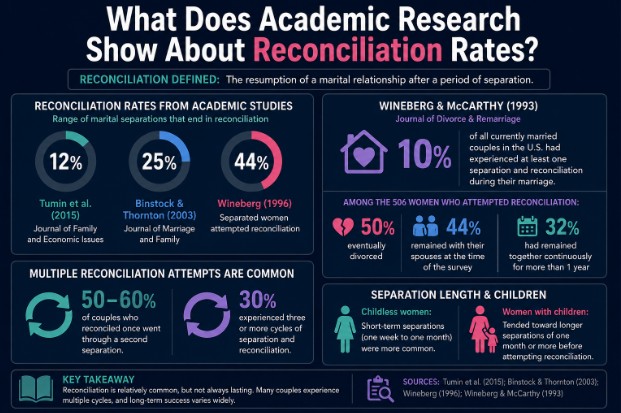
    In the United States, 87% of couples who separated ended their marriage by divorce. Only 13% of couples reunited after spending time in separation. In 2019, the divorce rate was 2.7 per 1,000 people, which equals 746,971 divorces in America annually.

    Whether you are considering divorce or need time alone, collaborative law is a win-win solution for all separating couples.

    Why Is Collaborative Divorce a Win-Win Solution for Separating Couples?

    Collaborative law is an alternative to traditional divorce litigation. In 2018, Illinois adopted the collaborative divorce method by passing the Collaborative Process Act, which governs the central principles of divorcing out of court. As an alternative dispute resolution method, collaborative divorce offers multiple benefits to separating couples. The main focus is on the collaboration between the parties and their attorneys. That is a stark contrast to adversarial litigation, in which parties take opposite positions and engage in a vindictive all-or-nothing court process. During collaborative divorce, couples cooperate out of court to achieve satisfactory outcomes. Each party retains an attorney, but unlike litigation, collaborative attorneys work shoulder-to-shoulder to bring positive results to their clients.

    What Are the Goals of the Collaborative Process?

    The main goal of collaborative divorce is resolving family-related matters out of court and far from institutional decision-making centers. Instead of litigation (which aims to explore the past), collaborative divorce is future oriented. Its underlying principles include integrity, transparency, cooperation, honesty, and professionalism. The method seeks to minimize the harmful effects of separation for spouses, children, and everyone else involved. It promotes settlement as a dispute resolution method. One of the principal goals of collaborative divorce is ensuring an effective co-parenting relationship after separation. In addition to preparing spouses to remain devoted parents after the dissolution of marriage, the process restores and strengthens their confidence and self-image, healing them emotionally and preparing them for single life.

    Resolving Matters Out-of-Court

    The process starts when parties and their collaborative attorneys sign a Collaborative Participation Agreement. The agreement outlines the  roles of the collaborative attorneys,  and the separated couple. The key to understanding collaborative divorce is that the process is voluntary, informal, and free of external compulsion. The parties exchange information in informal meetings and communications. Unlike rigid litigation rules (discovery, depositions), parties in a collaborative divorce cooperate closely to achieve mutually beneficial results.

    Good-Faith Efforts

    By signing the participation agreement, the parties promise to conduct themselves in good faith and use their best efforts in settling. They agree to disclose all material information (income, debts, assets, accounts) voluntarily. As mentioned, there are no coercive litigation mechanisms (such as discovery) compelling the parties to share relevant information. Collaborative divorce relies on informal communication, counting on integrity and honor. The only formal mechanism is affidavits (statements under oath). The key to collaborative divorce is transparency and creating an atmosphere of trust. The process starts with a four-way conference. The conference enables parties to achieve a free flow of information. During the initial meeting separating spouses sign a participation agreement, committing themselves to invest utmost efforts in reaching satisfactory outcomes.

    Children’s Well-Being

    Ensuring the children go through separation and divorce without harm is one of the central aspects of collaborative divorce. The process involves mechanisms for preserving children’s psychological and emotional integrity. The separating couples invest efforts to shield their youngest family members from the effects of marriage dissolution. In addition to involving child psychologists the process employs other measures to protect children from unnecessary stress and trauma. To that end, settlement discussions involve children only if parents agree (after getting approval from the child specialists).

    Who Is on A Collaborative Divorce Team?

    Experienced professionals and consultants play a decisive role in collaborative divorce. Dealing with marital property division, complex assets, child support, child custody, alimony, and other issues requires special knowledge that state-appointed judges often lack. Therefore, the collaborative process includes various experienced professionals, such as child specialists, forensic professionals, financial consultants, and psychologists. Collaboratively trained lawyers have the necessary skills to communicate and cooperate with the professional team. In contrast to litigated approaches (where each party retains its team), participants use the so-called joint professional teams. They provide knowledgeable opinions that serve both parties as a factual basis for negotiations. However, their findings are not admissible in future litigation, nor can the same professionals participate in the potential court process between the parties.

    Control Over the Process

    In collaborative divorce, parties have control over the process. Unlike the courtroom, where a state-appointed judge decides the destiny of the parties, the out-of-court collaborative law focuses on spouses. They control the outcome by determining the dynamics and direction of negotiations. In addition, they can change collaborative attorneys at any time or abandon negotiation efforts. The sense of control coming from the approach of the collaborative process motivates the parties to invest their best efforts in resolving the dispute.

    The Role of Collaborative Attorneys

    Collaborative attorneys are different from their litigation counterparts. Instead of representing their clients in a zero-sum court battle, collaborative attorneys work together to achieve mutually agreed-upon solutions for separating couples. That includes sharing information and revealing all material facts that foster negotiations and lead to settlement. If either party fails to disclose relevant information or misrepresents material facts, collaborative attorneys must resign from the case. In that situation, attorneys cannot represent the same clients again, including a new collaborative process or potential litigation. In addition to providing legal assistance, collaborative lawyers ensure integrity and transparency, cooperate with the appointed team members and consultants, and offer emotional support to their clients. However, they can withdraw from the case at any time. The Illinois Collaborative Process Act allows attorneys to leave without providing reasons. Their only obligation is to notify the other party and their attorney in writing. In that case, the party can continue the process alone or hire a new collaborative lawyer.

    Confidentiality

    In contrast to litigation, in which everything is public information and during the divorce process becomes part of the public record, collaborative divorce is confidential. Everyone involved must keep all information secret, including potential future litigation (if the collaborative process is unsuccessful). The only exception is information about child abuse, irreversible financial damage, or other information violating the rules of professional conduct for collaborative attorneys.

    Achieve a Win-Win Solution with the Right Collaborative Attorneys

    At Cooper Trachtenberg Law Group, LLC, our lawyers are committed to excellence, integrity, and honesty in representing clients in every divorce case.

    Our attorneys have more than three decades of valuable experience providing collaborative law services in the Chicagoland area. Their dedication, commitment, and professionalism are unmatched by the competition. Our attorneys are specially trained by Collaborative Divorce Illinois, the voluntary professional association dedicated to educating the public about collaborative law and to training attorneys and other professionals in collaborative processes.

    Call our office today at 847-995-8800 to schedule your appointment. The first 20-minute consultation is complimentary.

    Divorce Trends 2022: A Year In Review

    Despite many experts predicting that the COVID-19 pandemic would drastically affect divorce rates, the number of divorces has mostly stayed the same. However, lockdowns and the new reality of working from home caused many couples  to remain together, regardless of the multiple challenges, uncertainties, and mental health crises many people experienced during the first year of the pandemic.

    But how do divorce statistics and trends look in 2022? The year is nearing its end, so let us look at the numbers and typical causes of divorce for the last twelve months.

    Divorce Statistics in 2022

    In 2022, the divorce rate in America was 2.3 per 1000, which is a decline compared to previous decades, especially between 1960 and 1990. Contrary to experts’ predictions, the divorce rate in America fell by 12% during the COVID-19 pandemic.

    The divorce rate among couples aged 25-39 is 24 per 1000 persons. Older couples divorce less frequently – there are 21 divorces per 1000 persons among adults between 40-49 years of age, while the divorce rate for couples older than 50 is 10 per 1000 adults.

    In Illinois, the top five cities with the highest divorce rate in 2022 are Mattoon (18%), Harrisburg (18%), Calumet Park (17%), Herrin (16%), and Creve Coeur (16%).

    Illinois Divorce Trends 2022

    The year behind us was full of challenges, especially for couples experiencing marital crises. The divorced spouses also had their share of struggles. However, everyone dealing with divorce experienced common causes and issues in the first post-pandemic year. Here are the most typical divorce and post-divorce trends in 2022:

    1. Narcissistic character traits are the leading factor contributing to divorce. Living with a narcissistic spouse will inevitably cause marital problems and potentially harm the marriage. Most divorces in 2022 result from an abusive relationship in which one spouse is a victim of their narcissistic partner. Narcissistic personalities make life harder for everyone around them, especially their intimate partners. They tend to view people in their life as a means of satisfying their needs. Narcissists are possessive and aggressive, thinking they have the right to dispose of other people’s lives as suits them. Being insensitive to their spouse’s emotional well-being, they engage in various forms of abuse. During the marriage, a narcissistic spouse will scold their partner for pursuing their career, taking time for themself, or seeing  friends. After the divorce, a narcissistic ex-spouse will prevent the partner from seeing children or continuing with life in a new relationship.

    2. Alienation between parents. In 2022, parental alienation is one of the main reasons causing a marriage crisis. In many cases, one of the parents is a narcissist who abuses their spouse, which naturally leads to alienation. There are also other factors that make parents feel like strangers to each other. Parents of little children often feel overwhelmed, exhausted, and unable to nurture their relationship. Over time, they do not feel the intimacy and affection that brought them together in the first place. When kids grow up, spouses who disregarded their relationship and let alienation take root do not feel like spending the rest of their lives with a person they consider a stranger. After the divorce, parental alienation can pose more serious problems. Narcissistic spouses often prevent their partners from seeing children or invest significant efforts to make their communication more difficult.

    3. Medical issues play a decisive role in the post-pandemic world. Making medical decisions for their children has always been one of the issues over which many spouses disagreed. When the pandemic hit, spouses had to decide whether to take vaccines. That was not an easy decision (especially in the early days of the vaccine campaign), considering various health, social, and religious considerations. After the vaccines became available for children, many parents found themselves in uncharted decision-making territory. There are families where one parent wanted children to receive COVID-19 vaccinations as soon as possible, while another refused to give consent due to health or ethical concerns. Diverging views on these and other medical-related issues represent one of the leading causes of marriage crises and divorce.

    4. Financial troubles are central to discord at all times. Regardless of economic and health crises, financial disagreements have always been a source of conflict for many spouses. Nothing has changed in 2022. Following the pandemic, many families experienced significant financial losses. Many spouses lost their jobs due to layoffs, while others experienced investment failures in the shaky investment marketplace.Very few marriages are immune to sudden largescale financial blows. Many couples cannot accept changing their daily routines to adapt to new circumstances. That causes disagreements and conflicts, which can lead to a divorce.

    5. Custody-related problems. The leading trend for divorced spouses in 2022 was parenting time allocation and custody modification. Once the divorce process conscludes, the parents must carry on with their lives. However, their reality is different and more complex. While each spouse wants to start a new chapter in life (and sometimes forget about their ex-spouse), they must, ideally, maintain a productive co-parenting relationship. Doing this is in their children’s best interest. Post-divorce challenges typically result from different views on parenting time allocation. Each parent wants to spend more time with their kids. Sometimes the other spouse prevents the other from seeing children, and they must seek the court’s intervention. The same goes for custody modification. Life’s circumstances change and preserving children’s well-being sometimes requires changing custody arrangements.

    6. Relocation. The work environment is different in the post-pandemic world. Even with most restrictions lifted, many employers continued their work-from-home policies. Since working from home is more affordable, many employees moved to other locations. While it makes earning a living easier, relocation creates challenges for divorced parents, making it difficult to engage in an effective co-parenting relationship. Moving away from where one’s children live with a custodial parent means a parent will not be able to see them as often as before. Relocation can cause problems for married couples as well. Moving to another city can be suitable for one spouse while creating difficulties for the other. That causes marital friction and a potential divorce.

    7. Prenuptial agreements are on the rise. 2022 brought a sharp increase in new marriages. There were 2.6 million weddings this year in the United States. Many couples waited for the COVID-19 restrictions to ease so they could organize their dream wedding. Prenuptial agreements have increased in popularity as a result of new marriages.

    Entrust Your Case to Professionals

    Cooper Trachtenberg Law Group, LLC is an Illinois law firm practicing family law since 1988.

    No matter what caused a marriage crisis, we help couples proceed through the strategic steps through a divorce without additional stress. Our legal team offers a custom-tailored service that fits each unique situation. Whether a couple chooses litigation, mediation or collaborative divorce, we can help you..

    Reach out to us today at 847-995-8800 to discuss your circumstance and case.

    Divorce Options in Illinois: A Complete Guide to Litigation, Mediation, and Collaborative Divorce for Your Situation

    Going through a divorce in Illinois forces you to make some big decisions about how to end your marriage. The process you pick shapes how long everything drags out, how much it costs, and how much stress you’ll deal with.

    Many people think the court is their only option, but that’s just not the case.

    Illinois offers several different divorce options, including traditional litigation, mediation, and collaborative divorce.

    Each one fits different situations and personalities. The right choice depends on how well you and your spouse can work together, what issues you need to solve, and what matters most to you.

    Learning about mediation, collaborative divorce, and litigation lets you choose a path that fits your life, not someone else’s.

    Key Takeaways

    • Illinois offers three main divorce paths: litigation through the court system, mediation with a neutral third party, and collaborative divorce with a team approach.
    • The best divorce option depends on how well spouses communicate, the complexity of their issues, and their goals for cost and privacy.
    • Talking to an Illinois divorce lawyer helps people understand which process fits their situation and protects their interests.

    What Are Your Divorce Options in Illinois?

    In Illinois, your main divorce options are traditional litigation, mediation, collaborative divorce, uncontested divorce, and do-it-yourself (pro se) divorce. Each path handles cost, conflict, privacy, and decision-making differently. The right option for you depends on safety, communication with your spouse, financial complexity, and how quickly you need a resolution.

    The Five Main Divorce Paths in Illinois

    An uncontested divorce works when both spouses agree on all the significant issues. You’ll settle property division, child custody, and support without fighting.

    This option saves time and money because there’s less court involved.

    Mediation brings in a neutral third party to help you both reach agreements. The mediator won’t decide for you but will guide your conversations about dividing assets and arranging custody.

    Divorce without court through mediation lets couples avoid a full trial while still working through disagreements.

    Collaborative Divorce means each spouse hires a specially trained lawyer who agrees to stay out of court. The team might include financial pros and child specialists.

    Everyone signs a contract promising to negotiate honestly and in good faith.

    Contested Litigation is necessary when you just can’t agree on key issues. A judge makes the final calls about property, custody, and support after hearing both sides.

    This divorce process option usually takes longer and costs more than the other paths.

    A default divorce occurs when one spouse files and the other doesn’t respond. In that case, the court can grant the divorce and make decisions without the non-responding spouse’s input.

    Cooper Trachtenberg Law Group can help you decide whether an uncontested, contested, or pro se divorce fits your situation—schedule a no-pressure strategy call today.

    If you’re ready to get started, call us now!

    Traditional Divorce Litigation: When Court Is the Right Option

    Litigation is the traditional courtroom route for divorce in Illinois. Each spouse has a lawyer, and the case moves through motions, discovery, hearings, and possibly a trial. 

    Litigation can be essential for high-conflict cases, safety concerns, or serious financial disputes, but it is usually the most expensive and time-intensive option.

    When Litigation May Be Necessary

    Traditional litigation becomes essential when one spouse hides assets or refuses to share financial information honestly. The court can force disclosure and help prevent fraud.

    If you fear domestic violence or abuse, the court’s protection is crucial. High-conflict situations where couples can’t communicate civilly often need divorce litigation as the only viable option.

    When someone refuses to negotiate or acts in bad faith, you need a judge to step in and resolve things. Complex property division cases—think businesses, inheritance, or hidden assets—also benefit from the court’s investigative powers.

    Child custody disputes in which parents can’t agree on major decisions or have safety concerns also require judicial intervention.

    Pros and Cons of Litigation

    Advantages of litigation:

    • Legal protection through enforceable court orders
    • Formal discovery to uncover hidden assets or income
    • Judicial oversight when someone acts unfairly
    • Clear structure with established rules and procedures

    Drawbacks of litigation:

    • Higher costs because of court appearances and attorney time
    • Longer timeline since you’re at the mercy of court schedules
    • Less privacy because court records are public
    • Reduced control since judges make the final decisions
    • Increased stress from the adversarial nature of the court

    Traditional divorce litigation requires skilled legal representation to navigate hearings and formal procedures. The process can feel combative, but sometimes it’s the only way to get a fair shake.

    Divorce Mediation in Illinois: How It Works and Who It Helps

    In mediation, you and your spouse work with a neutral mediator to negotiate parenting, property, and support. The mediator doesn’t decide for you; they guide the conversation. 

    Mediation often lowers costs, reduces conflict, and maintains greater privacy, making it a strong option for couples who can still communicate in a structured way.

    What a Mediator Does (and Does Not Do)

    Divorce mediation in Illinois involves a neutral third party who helps spouses talk things out. The mediator helps couples communicate about issues such as asset division, child custody, and support.

    What mediators do:

    • Guide conversations between both spouses
    • Help spot areas where you agree or disagree
    • Suggest possible solutions to disputes
    • Keep talks focused and moving forward
    • Make sure both sides get to speak

    What mediators do not do:

    • Make decisions for the couple
    • Give legal advice
    • Take sides or represent one person
    • Force anyone to agree
    • Act as a judge or arbitrator

    The mediation process stays confidential, so whatever you say there can’t be used in court if things fall apart. Most people keep their own attorney for legal advice outside mediation sessions.

    The mediator just helps you reach your own agreements—no one’s taking sides or imposing solutions.

    Collaborative Divorce: A Team-Based, Low-Conflict Process

    Collaborative divorce is a structured process where each spouse has a collaboratively trained lawyer, and everyone signs an agreement to resolve the case without going to court. 

    Meetings focus on open information sharing and problem-solving. It suits couples who want privacy, support from a professional team, and a future-focused, low-conflict approach.

    Who Collaborative Divorce Is Best For

    Collaborative divorce is ideal for couples who want to keep things civil after splitting up. That’s especially important if you share kids or business interests.

    The process works well for spouses who are honest about their finances and willing to cooperate. Both people need to negotiate and compromise rather than dig in their heels over every detail.

    Couples who care about privacy often go this route. The collaborative process takes place outside the courtroom, so your personal information stays private.

    This option suits people who want control over their own decisions. Rather than letting a judge decide, you and your spouse work with your attorneys and other pros to create solutions that fit your situation.

    Each spouse has their own lawyer for legal advice, but the whole vibe is about cooperation, not conflict.

    Not sure where your case fits—simple, high conflict, or somewhere in between? Talk with Cooper Trachtenberg Law Group and get a clear, Illinois-specific path forward.

    If you’re ready to get started, call us now!

    Uncontested, Contested, and Pro Se Divorce: Where Do You Fit?

    Not every Illinois divorce looks the same. Some couples agree on almost everything and mainly need help with paperwork. 

    Others are deeply divided or need court protection. Understanding whether your case is uncontested, contested, or pro se (do-it-yourself) helps you and your lawyer choose the process that fits best.

    Uncontested Divorce

    In an uncontested divorce, you and your spouse agree on all the significant issues from the start—how to divide property and debts, where the children will live, how parenting time will work, and what child support or maintenance will look like. 

    You’re on the same page about the outcome; you just need the court to make it official.

    Judges still review your agreement to ensure it complies with Illinois law and is fair enough to approve, especially when children are involved. When the terms are already worked out, the process is usually:

    • Faster – less back-and-forth, fewer court dates
    • Less expensive – fewer hours of attorney time and lower court costs
    • Less stressful – you’re not fighting over every detail

    Even in an uncontested divorce, it’s smart to have at least one lawyer draft or review the paperwork. 

    A short legal review can prevent mistakes with retirement accounts, real estate, parenting time, or tax issues that would be expensive or impossible to fix later.

    Contested Divorce

    A contested divorce simply means you and your spouse do not agree on one or more issues—maybe how to divide the house, how much support should be paid, or what a parenting schedule should look like.

     “Contested” doesn’t automatically mean you’ll end up in a long, ugly trial, but it does mean there is real work to do.

    Those disagreements can be resolved in different ways:

    • Direct negotiation between lawyers
    • Mediation, where a neutral mediator helps you talk through options
    • Collaborative meetings, if you choose a collaborative divorce process
    • Court hearings, and sometimes a trial, if a settlement isn’t possible

    Many Illinois divorces begin as contested and still end in a negotiated settlement. The key is choosing a process that provides enough structure and protection without escalating conflict unnecessarily.

    Pro Se Divorce (Representing Yourself)

    In a pro se divorce, you represent yourself without hiring an attorney. You file the forms, track deadlines, communicate with the court, and present your own documents and arguments. 

    Illinois offers standardized forms and basic guidance, but you’re still expected to follow the same rules of procedure and evidence that lawyers follow.

    Pro se divorce can be workable in straightforward cases—for example, a short marriage with no children, no real estate, and few assets or debts. Even then, it takes time and patience to navigate the system.

    In most other situations, the risk is that you don’t know what you don’t know. Missing a required form, agreeing to unclear language, or overlooking a tax or retirement issue can cost far more than the fee for a lawyer to advise you. 

    Cost, Time, Privacy, and Control: Comparing Your Divorce Options

    Every divorce method comes with its own price tag, timeline, and level of control for the people involved.

    Litigation is usually the priciest route. Attorney fees pile up fast once things head to court.

    The process can stretch out for months, sometimes even years, especially if spouses can’t agree on the big stuff. Court proceedings go on public record, so anyone curious enough can dig up the details.

    Judges call the shots in the end, and that means spouses don’t get much say over the outcome. It can feel like handing over your life’s decisions to a stranger in a robe.

    Mediation costs a lot less than fighting it out in court. Mediation typically involves fewer court appearances and less attorney time, which reduces legal fees.

    Most couples wrap up mediation in just a few months. Sessions stay private and confidential, so there’s no public airing of grievances.

    Spouses work together to sort things out, which gives them more control over the terms of their split. It’s not for everyone, but those who can talk things through usually find it less stressful.

    Collaborative divorce sits somewhere in the middle in terms of cost. Each spouse brings in their own attorney, and sometimes you’ll see financial experts or divorce coaches join the mix.

    That makes it pricier than mediation, but it’s still usually cheaper than a courtroom battle. The timeline really depends on how quickly both sides can hammer out agreements.

    Like mediation, collaborative divorce requires transparency among all parties and keeps everything confidential. Couples retain full control over decisions rather than leaving it all to a judge.

    Uncontested divorces where both parties agree on all terms move the fastest and cost the least. If you can swing it, this route saves a lot of headaches.

    How to Choose the Best Divorce Option for Your Situation

    Picking the right divorce path hinges on how much conflict there is and whether you can talk through the tough stuff. Money and emotional readiness play a big part too—sometimes more than people expect.

    Key Questions to Ask Yourself

    Before you pick a method, take a hard look at your relationship dynamics. Communication breakdowns or significant disputes may require litigation, while couples who can still talk respectfully might do better with mediation or collaborative divorce.

    Money matters when choosing a process. Out-of-court options like mediation and collaborative divorce typically cost thousands or tens of thousands of dollars less than going to court. 

    These methods take fewer billable hours, and couples can split the cost of the professionals involved.

    Think about where you’re at emotionally and what you want after the dust settles. If you’re hoping to keep things civil for the kids, mediation or collaborative divorce might make more sense.

    Parents who want to avoid ugly courtroom fights usually lean toward less adversarial options. It’s not always possible, but it’s worth considering.

    If there’s domestic violence, hidden assets, or a big power imbalance, litigation might be necessary. Sometimes, you just need the court to step in and protect your rights or safety.

    When to Talk to an Illinois Divorce Lawyer About Your Options (and What to Ask)

    Chatting with a family law attorney early on helps you understand your rights and sidestep expensive mistakes. Knowing what questions to ask during that first meeting makes it easier to get the info you really need.

    Questions to Ask at Your First Meeting

    Ask the attorney about their experience with cases like yours. How many divorce cases have they handled? What percentage involved mediation instead of litigation?

    Get clear on all fee structures right away. What are their hourly rates and retainer amounts? What do those fees actually cover?

    Some attorneys bill mediation work differently from court appearances. Don’t be shy—ask about that up front.

    What is to be expected during the process? It’s fair to ask about divorce timelines and what’s realistic for your situation.

    How does the attorney communicate? Do they respond quickly, and who will answer your day-to-day questions?

    If you have kids, bring up custody arrangements and parenting plans. Property division and spousal support are also worth clarifying—what outcomes seem likely?

    Not sure whether to try mediation, collaborate, or go straight to litigation? Ask the attorney which one best fits your situation. A candid attorney will share the pros and cons for your circumstances—at least, they should.

    If you’re debating mediation, collaborative divorce, or litigation, Cooper Trachtenberg Law Group can walk you through real-world pros and cons before you choose. Contact us now.

    Contact Us Today For An Appointment

      I have read the

      Frequently Asked Questions 

      What is the difference between an uncontested and a contested divorce in Illinois?

      In Illinois, an uncontested divorce means the spouses have already agreed on property, parenting, and support. A contested divorce means some disagreements must be resolved through negotiation, mediation, collaborative sessions, or court hearings. 

      Is an uncontested divorce always the cheapest option?

      Uncontested divorce is often the cheapest option because there is less conflict, fewer court dates, and less attorney time. It is not automatically the least expensive, though. 

      Can a contested divorce become uncontested later?

      Yes. A contested divorce can become uncontested once spouses reach an agreement on all issues. As you exchange information, negotiate, or mediate, disagreements may narrow. When everything is resolved, the case typically shifts from a litigation posture to submitting a written settlement for the court’s review and approval.

      When is pro se divorce a realistic option in Illinois?

      Pro se divorce is most realistic in straightforward Illinois cases: no children, no real estate, few assets or debts, and cooperative communication. You must still handle forms, deadlines, and court rules yourself. 

      What are the risks of handling my divorce without a lawyer?

      Handling a divorce without a lawyer risks missing forms, using vague language, undervaluing assets, and overlooking tax or retirement issues. Courts usually enforce signed agreements even if they’re unfavorable. 

      How do I know if my case is truly uncontested?

      Your case is truly uncontested only if you and your spouse agree on every major term: property, debts, parenting time, decision-making, child support, and maintenance. If any of these are unresolved or “we’ll decide later,” you are in a low-conflict contested case and may benefit from mediation or negotiation.

      Can I start pro se and then hire a lawyer later?

      You can start a divorce pro se and hire a lawyer later, but waiting too long can limit what your attorney can fix. Involving counsel earlier makes it easier to correct paperwork, adjust strategy, and protect your rights, rather than rushing at the last minute before a critical deadline or hearing.